Designer canvas art is defined as canvas artwork produced with archival-grade materials, gallery-wrapped framing, and a deliberate curatorial vision that separates it from mass-market wall prints. The term “designer canvas art” is widely used by consumers and retailers, but the recognized industry term is fine art canvas reproduction or gallery-wrapped fine art print. Understanding what does designer canvas art mean helps you spend wisely, decorate intentionally, and avoid pieces that fade, sag, or feel generic within a year. Brands like Chanel, Louis Vuitton, and Supreme have become reference points for this category because they represent the intersection of high fashion, cultural identity, and visual boldness that defines the best designer pieces.
What does designer canvas art mean in terms of production?
Designer canvas art is built on two non-negotiable foundations: the physical construction of the canvas and the quality of the print reproduction. Both must meet fine-art standards for a piece to qualify as designer-grade.
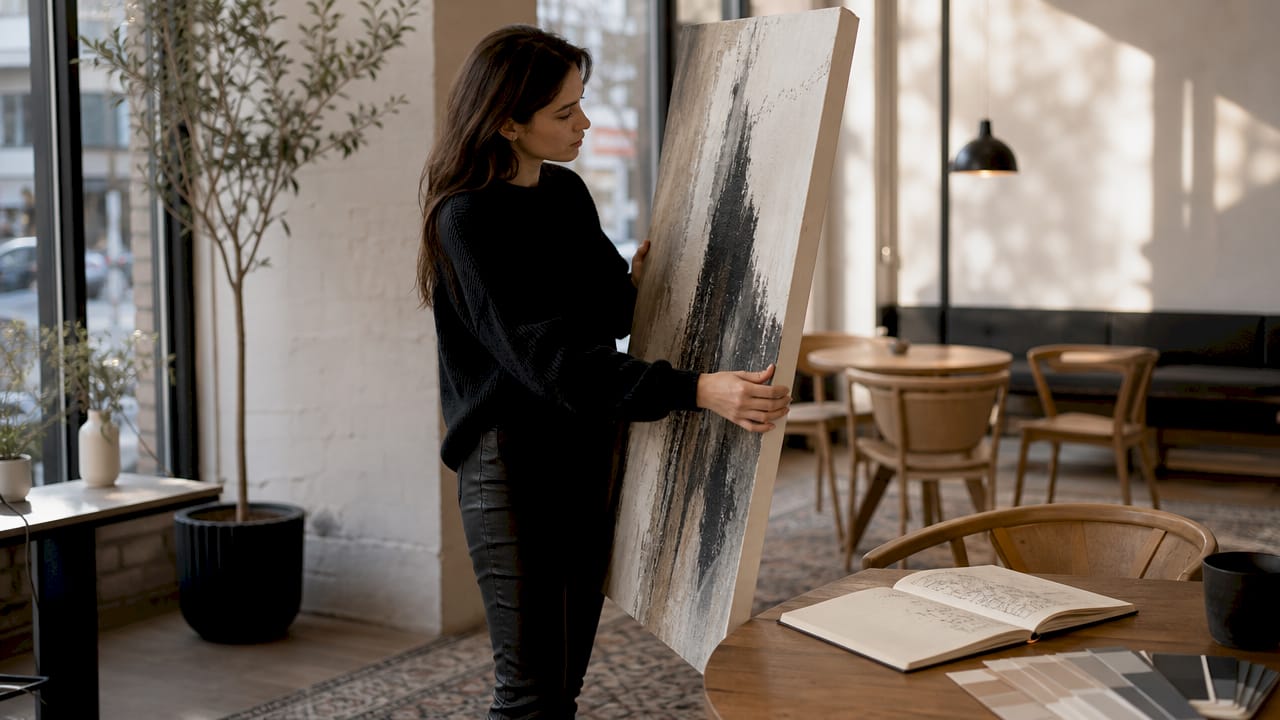
The physical frame is a gallery-wrapped stretcher bar construction. Gallery-wrapped canvases use typical stretcher bar depths of 2 cm (0.75 in) or 4 cm (1.5 in), which gives the piece a sculptural, three-dimensional presence on the wall without requiring an additional frame. The image wraps around the edges seamlessly, so the artwork reads as a finished object rather than a flat print stapled to a board. That edge-to-edge continuity is one of the clearest visual signals of designer-level production.
The print method is equally defining. Fine-art giclée printing uses archival pigment inks on cotton rag or alpha-cellulose substrates to produce museum-quality reproductions lasting 75 to 200 years. That longevity figure is not marketing language. It reflects the chemical stability of pigment-based inks compared to dye-based alternatives, which can visibly fade within five to ten years under normal light exposure.
The canvas material itself matters too. Poly-cotton blend canvas with matte or satin finishes optimizes texture, durability, and glare reduction in designer pieces. Matte finishes absorb ambient light and enhance the tactile quality of the surface. Satin finishes add a subtle sheen that works well in rooms with controlled lighting, such as a home office or gallery-style living room.
Here is what to look for when evaluating production quality:
- Stretcher bar depth: 0.75 in minimum, 1.5 in preferred for large-format pieces
- Print method: Giclée or archival pigment inkjet, not standard photo printing
- Canvas material: Poly-cotton blend or 100% cotton for fine-art texture
- Edge treatment: Image-wrapped or mirror-wrapped edges, not white or black borders
- Finish: Matte or satin coating to protect ink and manage light reflection
Pro Tip: Ask the retailer to confirm the ink type before purchasing. “Archival pigment” is the phrase you want. If the listing only says “high-resolution print,” the ink technology is likely dye-based and will fade faster.
How does designer canvas art differ from generic canvas prints?
The difference between designer canvas art and a generic canvas print is not purely about price. It comes down to originality, material integrity, and design intention.
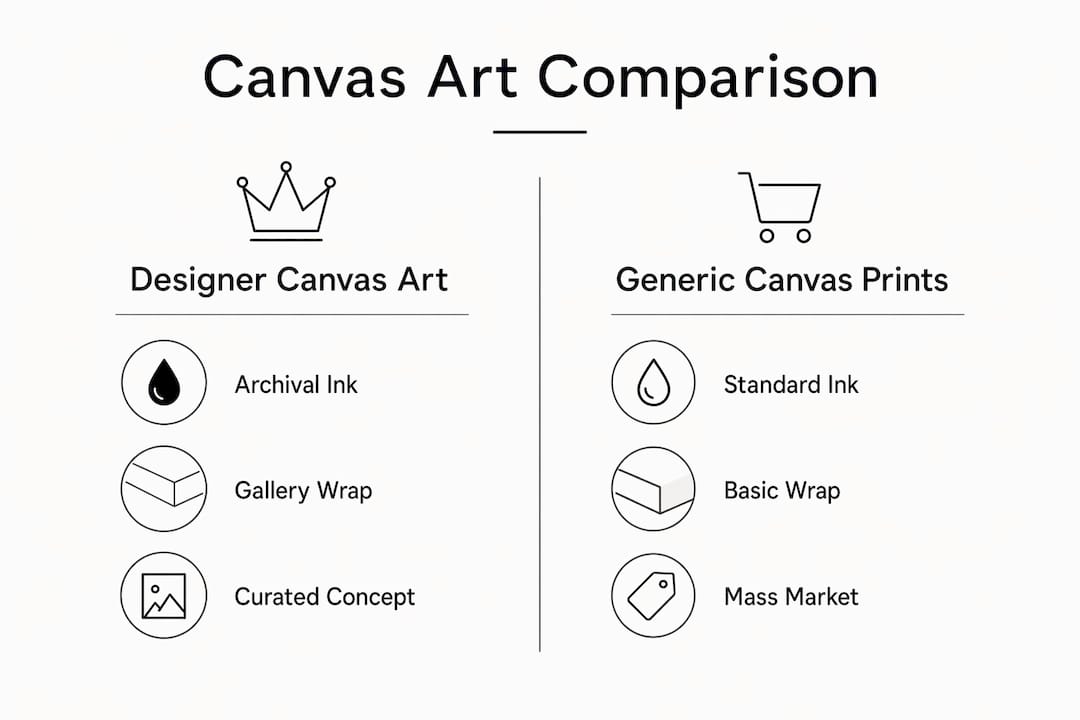
Canvas art is not inherently tacky in modern interior design. Tackiness comes from poor quality, mass-market prints that lack originality. That distinction matters because it shifts the conversation from the medium itself to the decisions made in producing it. A generic canvas print is typically a stock photograph or a popular image printed at volume on thin canvas with cheap ink, stretched over a flimsy frame. It looks flat, fades quickly, and carries no curatorial weight.
Designer canvas art, by contrast, starts with a specific visual concept. Whether that concept is a bold pop-art interpretation of a Louis Vuitton monogram or an abstract graffiti composition, the image is chosen or created with compositional intent. Low-quality canvas prints fade, wrinkle, or sag quickly due to inferior materials and framing. Designer pieces hold their structure and color because the materials are built for longevity, not just initial visual impact.
| Feature | Designer canvas art | Generic canvas print |
|---|---|---|
| Print method | Archival giclée, pigment inks | Standard inkjet or photo print |
| Canvas material | Poly-cotton blend or cotton | Thin synthetic canvas |
| Frame depth | 0.75 in to 1.5 in stretcher bar | Often 0.5 in or less |
| Edge treatment | Seamless image or mirror wrap | White or black border |
| Longevity | 75 to 200 years with proper care | 5 to 10 years before fading |
| Design intent | Curated subject matter, original concept | Stock imagery, mass production |
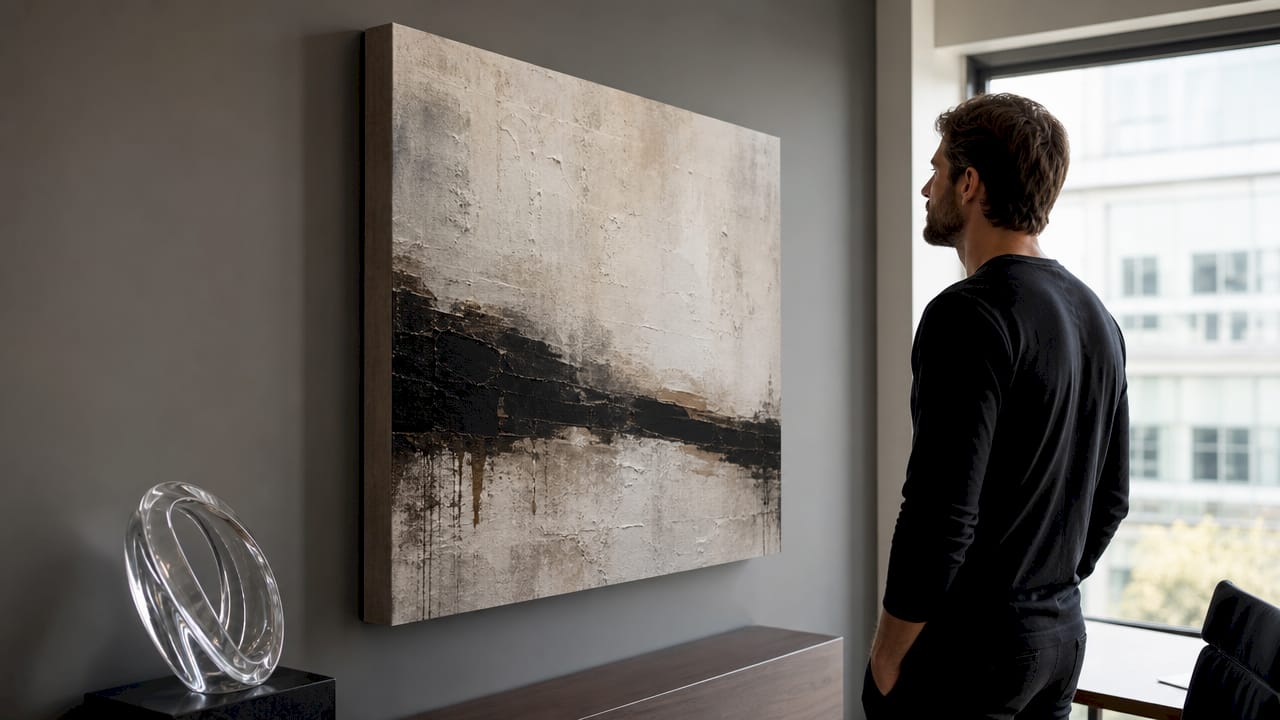
The visual result of these differences is immediate. Designer canvas art’s textured surface manages light better than highly reflective artworks, which means it reads clearly across different lighting conditions without creating distracting glare. In a room with natural light, a matte-finished designer piece holds its depth and color throughout the day. A glossy generic print turns into a mirror by mid-afternoon.
Pro Tip: Hold a flashlight or phone torch at a 45-degree angle to the canvas surface before buying in person. A quality designer canvas will show a consistent, fine texture. A cheap print will show a smooth, plastic-like surface with visible dot patterns from low-resolution printing.
Why designer canvas art matters in modern interior design
Interior designers treat canvas art as a compositional tool, not an afterthought. The canvassed artwork’s significance in a room extends well beyond filling blank wall space.
Art chosen with intention builds character and evolves with the space over time, rather than following trends. Interior designer Joyce Huston makes this point directly: designer canvas art should tell a story and reflect the person living with it. That principle separates a well-designed room from one that simply looks decorated. A Chanel-themed canvas in a fashion-forward bedroom communicates something specific about the person who lives there. A generic floral print communicates nothing.
Scale and placement are the two most misunderstood variables in hanging canvas art. Follow these rules to get both right:
- Width proportion: The canvas width should span 60 to 75% of the furniture it hangs above. A sofa that is 84 inches wide calls for a canvas or canvas grouping between 50 and 63 inches wide.
- Hanging height: Center the artwork at 57 to 60 inches from the floor. This aligns with average eye level and is the standard used in professional galleries.
- Room scale: In large rooms with high ceilings, a single oversized canvas (36 x 48 in or larger) creates more impact than a cluster of small pieces.
- Lighting placement: Position track lighting or picture lights at a 30-degree angle from the canvas to illuminate texture without creating hotspots.
- Breathing room: Leave at least 6 to 8 inches between the bottom of the canvas and the top of the furniture beneath it.
“The art you choose should feel like it belongs to you, not like it was selected to match the couch. Intention is what separates a room that feels alive from one that feels staged.” — Joyce Huston, interior design consultant
Texture plays a specific functional role in minimal interiors. A room with clean lines, neutral tones, and hard surfaces benefits from the tactile quality of a canvas print in ways that a framed photograph or metal print cannot replicate. The woven surface of a poly-cotton canvas introduces warmth and visual complexity without competing with the room’s architecture.
How to choose and care for designer canvas art
Choosing designer canvas art well requires looking past the image itself and evaluating the production details that determine long-term quality and visual impact.
Start with the production specs. Evaluating designer quality requires confirming production details like frame depth and fine-art reproduction standards, not just the visual appeal of the image. A piece that looks stunning in a product photo but uses dye-based inks on a 0.5-inch frame will disappoint within a few years.
Key selection criteria:
- Confirm the print method: Giclée or archival pigment inkjet is the standard for designer-grade pieces
- Check the frame depth: 1.5-inch bars suit large-format pieces and create stronger visual presence
- Assess the finish: Matte works in bright rooms; satin suits controlled or dim lighting
- Match scale to the wall: Measure the wall and the furniture before ordering, using the 60 to 75% width rule
- Evaluate subject matter: Choose imagery with a clear concept or cultural reference, not generic stock photography
Care and maintenance are straightforward but often neglected. Archival pigment inks are durable, but display conditions still affect longevity significantly.
- Dust the canvas surface monthly with a soft, dry microfiber cloth. Never use water or cleaning sprays directly on the canvas.
- Keep the piece away from direct sunlight. UV exposure accelerates ink degradation even in archival-grade prints.
- Maintain indoor humidity between 40 and 55 percent. Extreme dryness causes canvas fibers to contract and crack over time.
- Avoid hanging canvas art near heating vents, fireplaces, or exterior walls in cold climates where temperature fluctuations are significant.
Pro Tip: If you are displaying a large-format canvas in a room with floor-to-ceiling windows, add UV-filtering window film to the glass. This single step can double the effective lifespan of the print without altering the room’s appearance.
Key takeaways
Designer canvas art is defined by archival production methods, gallery-wrapped construction, and curatorial intent, making it a fundamentally different category from mass-market canvas prints.
| Point | Details |
|---|---|
| Production defines quality | Giclée printing with archival pigment inks ensures color stability for 75 to 200 years. |
| Frame depth signals craftsmanship | Stretcher bars of 0.75 to 1.5 inches create a gallery-quality, frameless presentation. |
| Scale and placement are non-negotiable | Canvas width should span 60 to 75% of furniture width, centered at 57 to 60 inches high. |
| Material choice affects light response | Matte and satin finishes on poly-cotton canvas reduce glare and add tactile depth. |
| Intent separates designer from generic | Curated subject matter and original concepts give designer pieces lasting relevance. |
Why I think most people underestimate what canvas art actually does to a room
Most buyers focus entirely on the image when choosing canvas art. They scroll through options, find something that matches their color palette, and order it. That approach produces rooms that look coordinated but feel empty.
What I have found after years of working with art and interior spaces is that the physical qualities of a canvas piece do more work than the image itself. The depth of a 1.5-inch stretcher bar creates a shadow line on the wall that changes how the piece reads at different times of day. The texture of a poly-cotton canvas catches light in a way that a flat print never does. These are not subtle differences. They are the reason a well-made canvas feels like it belongs in a room while a cheap print feels like it was placed there.
The brands that Luxuryartcanvas works with, including Chanel, Louis Vuitton, and Supreme, are not just decorative references. They carry cultural weight that a generic abstract print cannot replicate. When someone hangs a Louis Vuitton canvas piece in their home, they are making a statement about taste, identity, and the kind of environment they want to inhabit. That is what designer canvas art actually means at its core. It is not just a print on a frame. It is a deliberate choice about how you want your space to feel and what you want it to say.
The one mistake I see repeatedly is buying based on size and color alone without checking the production specs. A piece that looks identical in two product photos can have completely different longevity depending on whether it uses archival pigment inks or standard dye-based printing. That difference is invisible at purchase and obvious within five years. Always ask. Always confirm.
— James
Discover Luxuryartcanvas’s designer canvas collection
Luxuryartcanvas specializes in gallery-wrapped fine art canvases that merge high fashion with bold visual culture, all crafted in the USA with archival-grade materials. The collection spans over 1,000 designs, from Chanel wall art to Supreme wall art and Louis Vuitton wall art, each piece ready to hang straight out of the box.
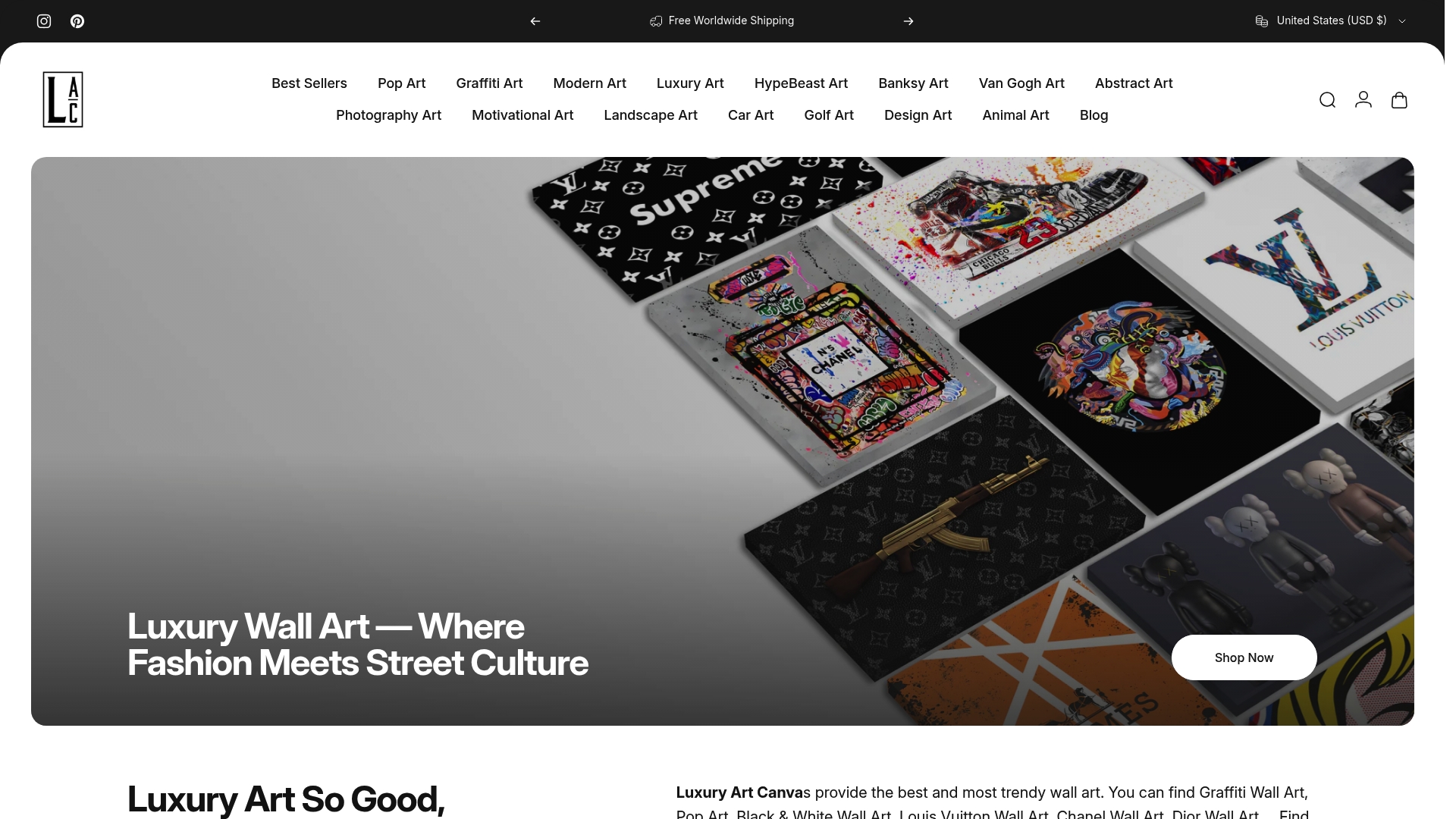
Every canvas ships with 1.5-inch stretcher bars and archival pigment printing, so you get the production quality this article describes without having to verify specs yourself. More than 10,000 customers have used these pieces to transform their spaces, and the catalog is built for people who want art that makes a statement rather than art that simply fills a wall.
FAQ
What is the definition of designer canvas art?
Designer canvas art is canvas artwork produced with archival pigment inks, gallery-wrapped stretcher bar construction, and a deliberate curatorial concept. It differs from generic canvas prints in material quality, longevity, and design intention.
How do I know if a canvas print is designer quality?
Confirm that the piece uses giclée or archival pigment printing, has a stretcher bar depth of at least 0.75 inches, and features a seamless image or mirror wrap on the edges. Production details like frame depth are the clearest indicators of designer-grade quality.
How long does designer canvas art last?
Archival pigment ink prints on fine-art canvas substrates last 75 to 200 years under proper display conditions. Avoiding direct sunlight and maintaining stable humidity are the two most important factors in achieving that lifespan.
What size canvas art should I choose for my living room?
The canvas width should span 60 to 75% of the furniture it hangs above, with the center of the piece positioned at 57 to 60 inches from the floor. For a standard 84-inch sofa, that means a canvas or grouping between 50 and 63 inches wide.
Is canvas art still relevant in modern interior design?
Canvas art remains a strong choice in modern interiors because its textured surface manages light better than reflective alternatives and adds tactile warmth to minimal spaces. Quality materials and curated subject matter prevent the dated associations that come from mass-market prints.
Why Canvas Art Suits Diverse Home Styles
Scaling Wall Art for Large Spaces: A Room-by-Room Guide