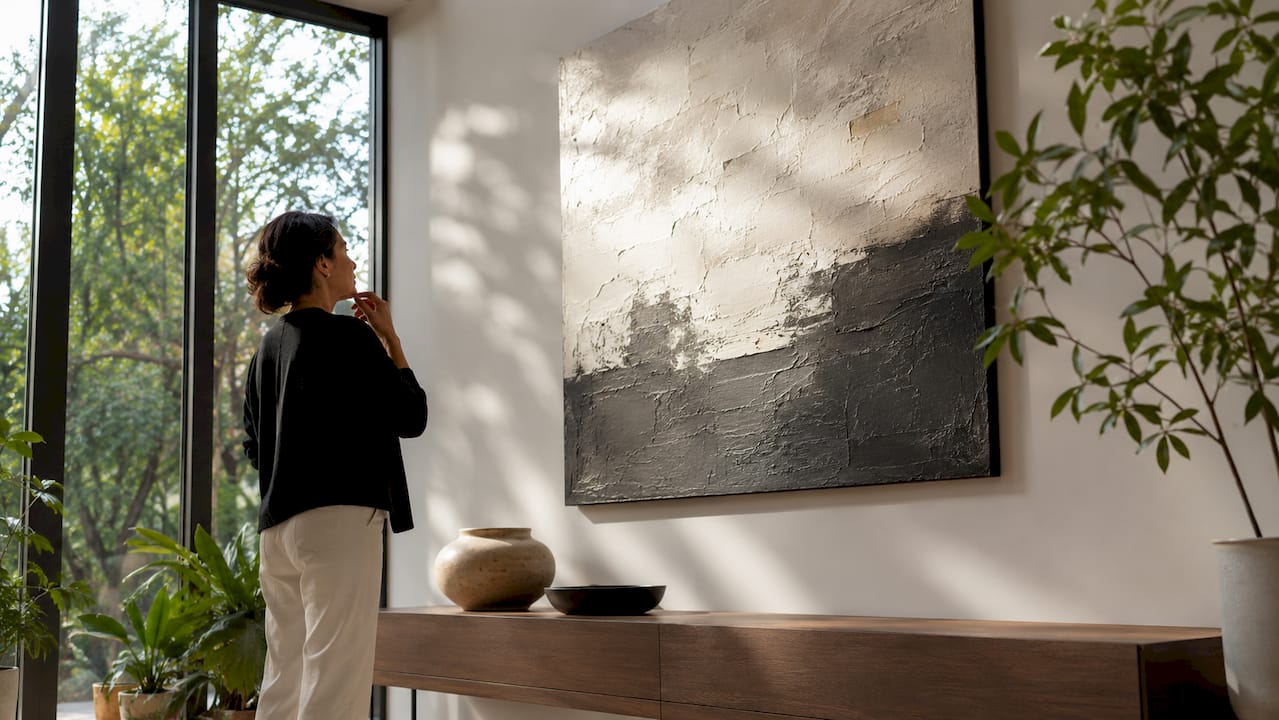
Luxury wall art is premium artwork defined by exceptional craftsmanship, exclusive materials, and the power to transform any interior space into something architecturally significant. Unlike mass-produced prints, luxury wall art relies on museum-grade canvas, archival pigment inks, and hand-finishing techniques like giclée printing to achieve visual depth that ordinary decor cannot replicate. The industry term for this category is “fine art reproduction” or “original fine art,” though “luxury wall art” has become the widely accepted shorthand among collectors and interior designers alike. Understanding what separates these pieces from standard decor helps you invest with confidence and curate spaces that genuinely reflect your taste.
What is luxury wall art and what defines it?
Luxury wall art is distinguished by superior craftsmanship and archival materials that mass-produced decor simply cannot match. The difference is not just visual. It runs through every production decision, from the canvas fiber count to the finishing coat applied by hand.
Materials that set the standard
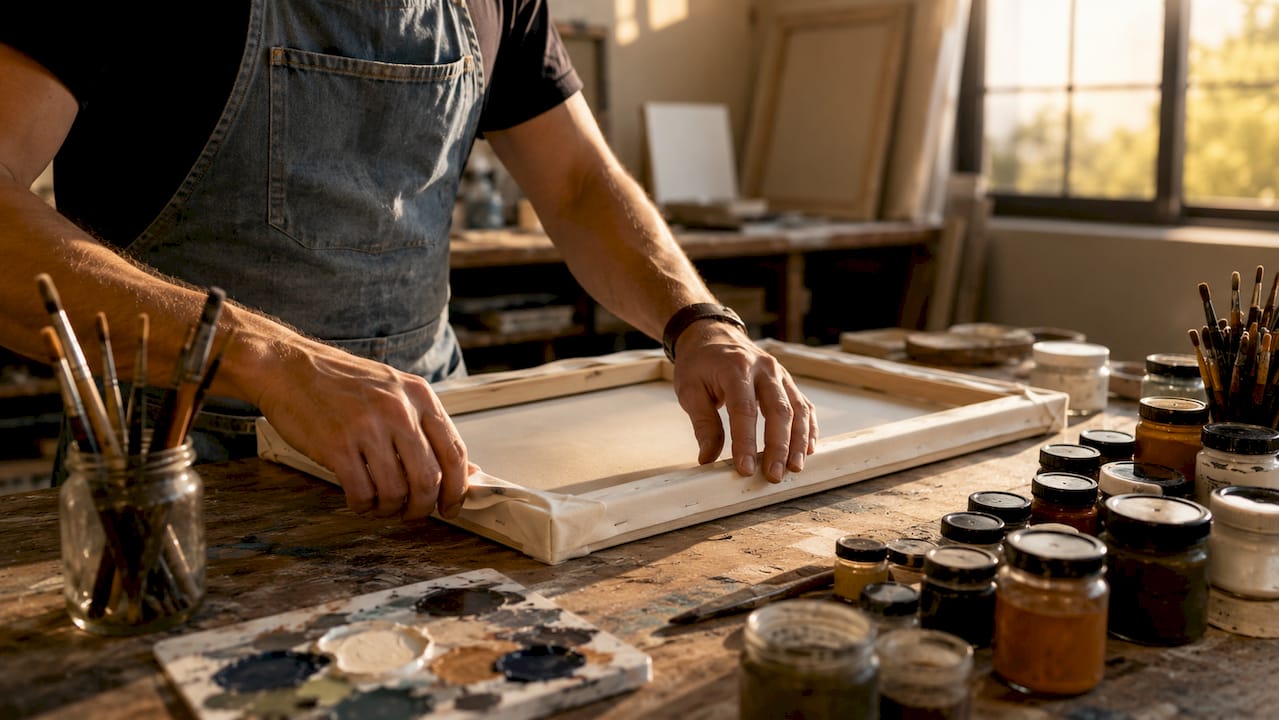
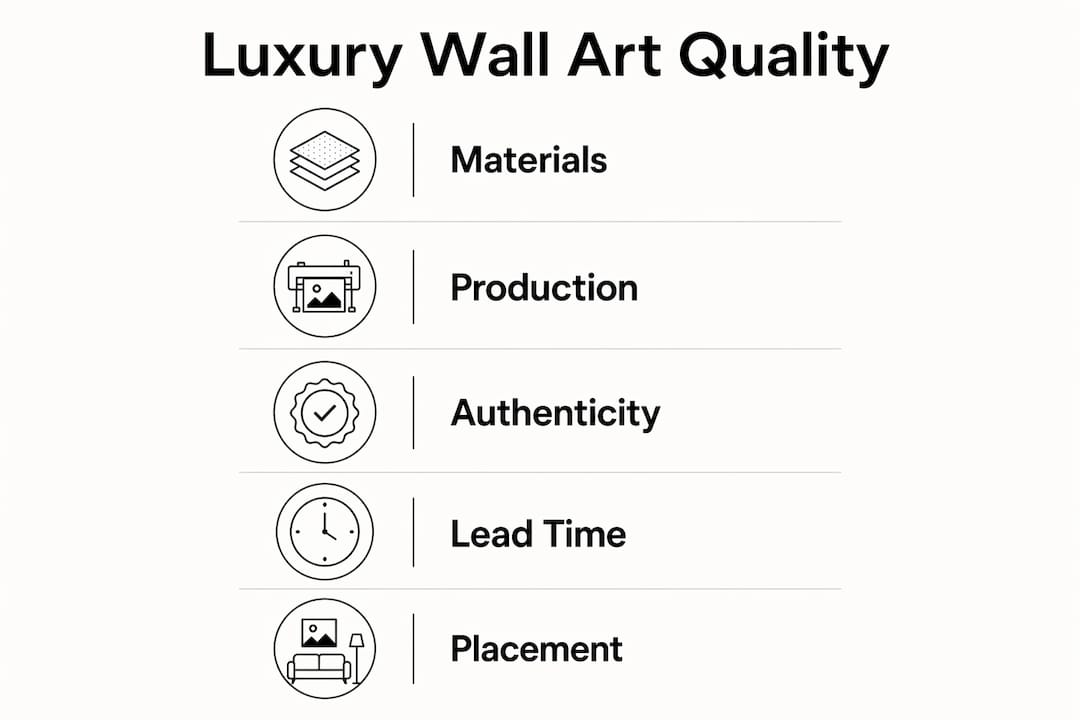
The materials used in high-end wall decor are the first and clearest indicator of quality. Museum-grade canvas resists yellowing and warping for decades. Archival pigment inks maintain color fidelity far longer than standard dye-based inks, which fade noticeably within a few years under normal light exposure.
Metals like brushed aluminum appear in sculptural luxury art pieces, adding a dimensional quality that flat prints cannot achieve. These material choices are not decorative decisions. They are structural ones that determine how long a piece holds its visual power.
Production methods that matter
Giclée printing is the gold standard for fine art reproduction. The process uses microscopic ink droplets to achieve tonal gradations that mirror original paintings with remarkable accuracy. Many luxury art pieces also incorporate hand embellishment, where an artist adds brushwork directly onto the printed surface to create texture and uniqueness.
Limited edition numbering is another defining factor. A piece numbered 3 of 50 carries a different weight than an open-edition print. Provenance, artist signatures, and authenticity certificates confirm exclusivity and add measurable financial value over time.
Pro Tip: Always request a certificate of authenticity before purchasing any luxury art piece. Reputable sellers provide this documentation as standard, not as an add-on.
Lead time as a quality signal
One detail most buyers overlook is lead time. Bespoke handcrafted works typically require 4–14 weeks to complete due to layering, drying, and stabilization processes. Impasto techniques, where paint is applied thickly to create physical texture, require each layer to cure before the next is added. If a seller promises a complex sculptural piece in two days, that is a red flag, not a convenience.
How does luxury wall art transform home aesthetics?
Luxury wall art functions as an architectural element that dictates a room’s mood, not simply a decorative accessory. This distinction matters because it changes how you approach placement, scale, and selection entirely.
“The right piece of luxury wall art does not fill a wall. It defines the entire room around it.” — Fine Homes and Living
A large-format abstract canvas in a living room shifts the entire color palette of the space. Furniture, textiles, and lighting all read differently once a dominant visual anchor is in place. This is why interior designers treat art selection as an architectural decision, not an afterthought.
How scale, lighting, and placement work together
Getting the most from premium wall art ideas requires thinking about three variables simultaneously:
- Scale: A piece that is too small on a large wall reads as an afterthought. A piece that overwhelms a small wall creates visual tension. Match the artwork’s scale to the wall and the furniture beneath it.
- Lighting: Strategic lighting enhances the visual presence of luxury artworks by influencing perceived texture and mood. Track lighting or picture lights placed at a 30-degree angle bring out surface detail in textured or sculptural pieces.
- Room function: A bedroom calls for art that promotes calm. A dining room can carry bolder, more dramatic work. A home office benefits from pieces that stimulate focus without distraction.
The psychological and cultural weight of high-end art
Luxury art connects deeply with viewers, offering emotional and intellectual engagement that outlasts the initial visual impression. This is not abstract theory. Researchers in environmental psychology consistently find that curated art environments reduce stress and increase perceived quality of life. When you invest in a piece that carries genuine artistic vision, you are not just decorating. You are shaping how you and your guests experience the space every day.
What are the popular styles found in luxury wall art?
Luxury wall art includes fine art photography, mixed-media works, and large-format sculptures that introduce texture and depth unavailable in standard prints. Each style serves a different design purpose and suits different room contexts.
Style comparison: forms and their best uses
| Style | Characteristics | Best Room Context |
|---|---|---|
| Fine Art Photography | Technical precision, modern aesthetic, high tonal range | Living rooms, hallways, offices |
| Giclée Canvas Painting | Rich color depth, hand-embellished surface, archival quality | Bedrooms, dining rooms, feature walls |
| Mixed-Media Work | Layered complexity, combines paint, fabric, and print | Statement walls, contemporary interiors |
| Sculptural Wall Art | Three-dimensional texture, metal or resin elements | Entryways, luxury lounges, hotel lobbies |
| Pop Art and Graffiti Canvas | Bold color, graphic energy, cultural references | Urban interiors, creative studios, modern living rooms |
Fine art photography has surged in relevance because it bridges documentary realism and artistic composition. A large-format black-and-white architectural photograph carries the same visual authority as a painted canvas, often at a more accessible price point.
Mixed-media and sculptural pieces add something photography and flat prints cannot: physical presence. A piece that casts shadows and changes appearance as light shifts throughout the day creates a living quality in the room.
- Minimalist luxury art works through restraint. A single brushstroke on a large linen canvas can carry enormous weight when executed with intention.
- Abstract large-format pieces use color field and gesture to create emotional impact without literal subject matter.
- Branded luxury art, such as Chanel wall art or Louis Vuitton canvas art, merges fashion iconography with fine art production values, making it a strong choice for interiors that blend cultural sophistication with contemporary style.
How to choose and place luxury wall art in your space
Selecting the best luxury wall art for your home requires matching artistic style to room function, then applying practical placement principles to maximize visual impact. Skipping either step produces results that feel off, even when the art itself is exceptional.
Matching art to room and décor style
Start with the room’s existing design language. A room furnished with clean lines and neutral tones calls for art that either echoes that restraint or provides deliberate contrast. Bold graffiti-inspired work can energize a minimalist space precisely because the tension is intentional. Soft abstract work in a maximalist room risks disappearing entirely.
Consider canvas art for diverse home styles as a starting framework. Canvas works across traditional, contemporary, and eclectic interiors because the format itself is neutral. The image and finish carry the stylistic weight.
Applying the 2/3 rule and scale principles
The 2/3 rule states that artwork width should be approximately two-thirds the width of the furniture below it. This ratio creates visual balance without making the art feel cramped or the furniture feel dwarfed. It applies most reliably to sofas, beds, and console tables.
For walls without furniture anchors, a common approach is to fill 60–75% of the available wall width with a single piece or a grouped arrangement. This prevents the art from floating in empty space.
Pro Tip: Before hanging anything, cut kraft paper to the exact dimensions of your intended piece and tape it to the wall. Live with the paper for 48 hours. You will quickly see whether the scale and position feel right before making any holes.
Common pitfalls when buying luxury art
- Ignoring lead times on handcrafted pieces and expecting fast delivery
- Buying art that matches the sofa color rather than the room’s overall design intent
- Hanging pieces too high (eye level is 57–60 inches to the center of the artwork, not the top)
- Overlooking lighting entirely and placing textured or metallic pieces in rooms with no directional light source
- Choosing size based on wall space alone without considering furniture scale below
For living room selections specifically, reviewing a 2026 guide to wall art types helps clarify which formats and styles perform best in that context.
Key takeaways
Luxury wall art is defined by archival materials, production method, and artistic vision, and its placement requires the same deliberate thinking as any architectural decision in your home.
| Point | Details |
|---|---|
| Materials define quality | Museum-grade canvas and archival pigment inks separate luxury art from mass-produced decor. |
| Lead time signals craftsmanship | Handcrafted bespoke pieces require 4–14 weeks; fast delivery often means shortcuts in quality. |
| Art functions architecturally | Scale, lighting, and room function determine whether a piece transforms or merely occupies a wall. |
| The 2/3 rule prevents imbalance | Art width should equal roughly two-thirds the width of the furniture it sits above. |
| Provenance adds lasting value | Certificates of authenticity, edition numbers, and artist signatures protect your investment. |
Why patience is the most underrated part of buying luxury art
I have spent years watching people rush the art-buying process and regret it. They find a piece they like, check that it fits the wall dimensions, and order it. Six months later, the room has evolved and the art feels wrong. Not because the piece is bad. Because it was chosen in isolation rather than in conversation with the space.
The collectors I respect most treat art selection the way architects treat material selection. They sit with options. They consider how a piece will look in morning light versus evening light. They think about what the room will feel like in five years, not just next month.
Authenticity matters in a way that goes beyond documentation. A piece with genuine artistic vision holds your attention differently than one produced to fill a trend. You notice this after living with both. The trend piece becomes invisible. The authentic work keeps revealing something new.
My honest advice: buy one exceptional piece rather than three adequate ones. A single Dior wall art canvas or a bold graffiti work with real graphic energy will do more for a room than a gallery wall of safe, matching prints. Specificity and conviction in art selection always outperform coordination for its own sake.
— James
Find your statement piece at Luxuryartcanvas
Luxuryartcanvas specializes in high-end wall decor that merges fine art production values with the visual energy of fashion, street culture, and pop art. Every canvas is crafted in the USA using quality materials built for lasting visual impact.
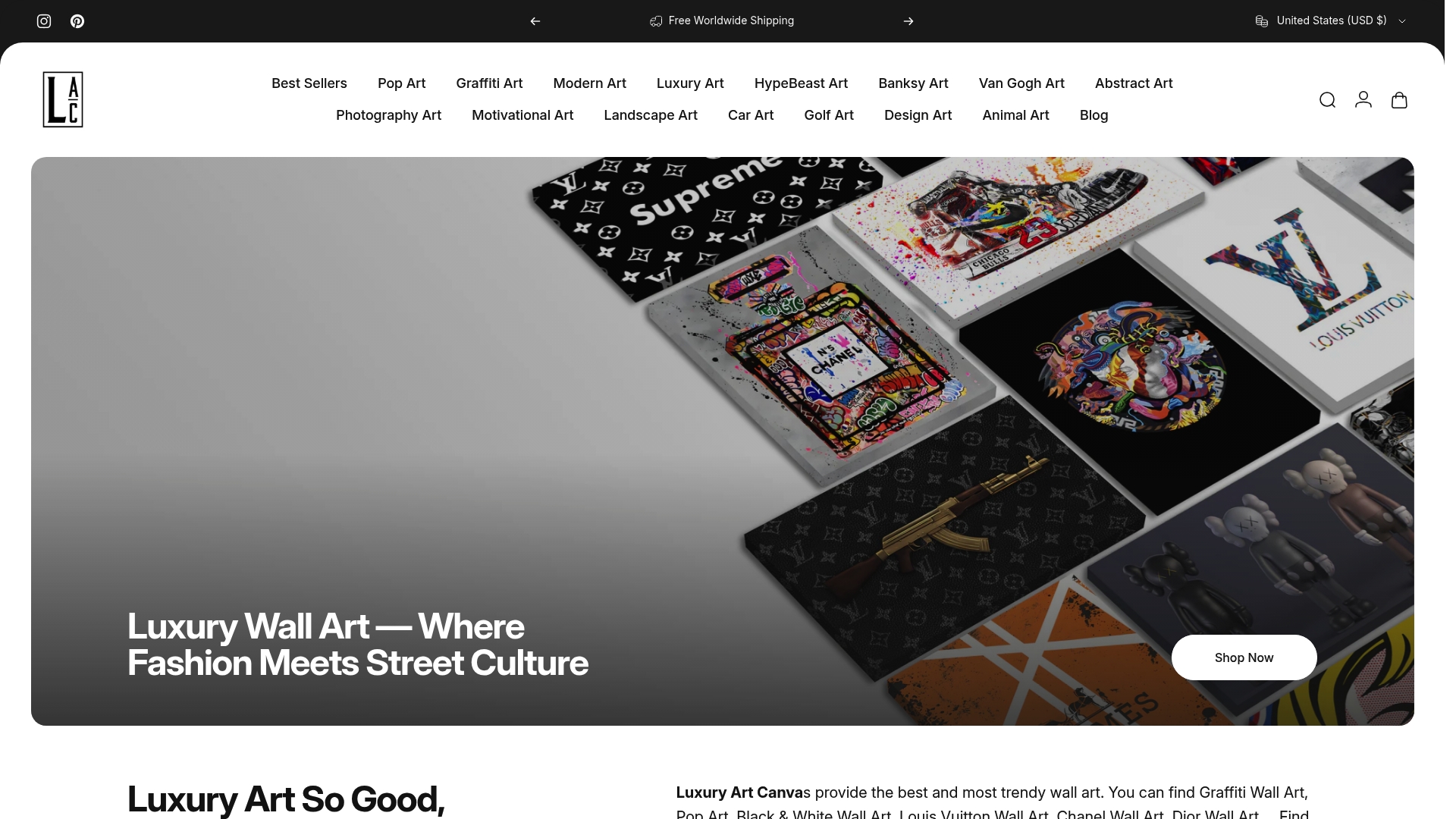
The collection spans over 1,000 designs, from bold Louis Vuitton wall art canvases to graphic Supreme wall art pieces that bring cultural edge to any room. Whether you are furnishing a modern living room, a creative studio, or a luxury bedroom, Luxuryartcanvas offers pieces that make a genuine statement. More than 10,000 satisfied customers have used these collections to transform their spaces. Browse the full catalog at Luxuryartcanvas and find the piece your wall has been waiting for.
FAQ
What makes wall art qualify as “luxury”?
Luxury wall art is defined by archival-quality materials, production methods like giclée printing, and documentation such as certificates of authenticity and edition numbering. These factors distinguish it from mass-produced decor in both quality and lasting value.
How do i know if a luxury art piece is authentic?
Authentic luxury art pieces come with a certificate of authenticity, artist signature, and edition number. Reputable sellers provide this documentation as standard with every purchase.
What size luxury art works best for a living room?
Apply the 2/3 rule: the artwork’s width should be approximately two-thirds the width of your sofa or primary furniture piece. For walls without furniture anchors, aim to fill 60–75% of the available wall width.
Does lighting really affect how luxury wall art looks?
Yes. Strategic lighting, particularly directional track or picture lighting at a 30-degree angle, enhances texture and depth in sculptural and mixed-media pieces. Flat overhead lighting flattens surface detail and reduces visual impact significantly.
Why do some luxury art pieces take weeks to arrive?
Handcrafted bespoke works require 4–14 weeks because techniques like impasto layering and sculptural finishing demand careful drying and stabilization between stages. That lead time is a quality indicator, not a delay.
Why Wall Art Changes Room Atmosphere: A Full Guide
Canvas Wall Art Quotes to Inspire Your Space