
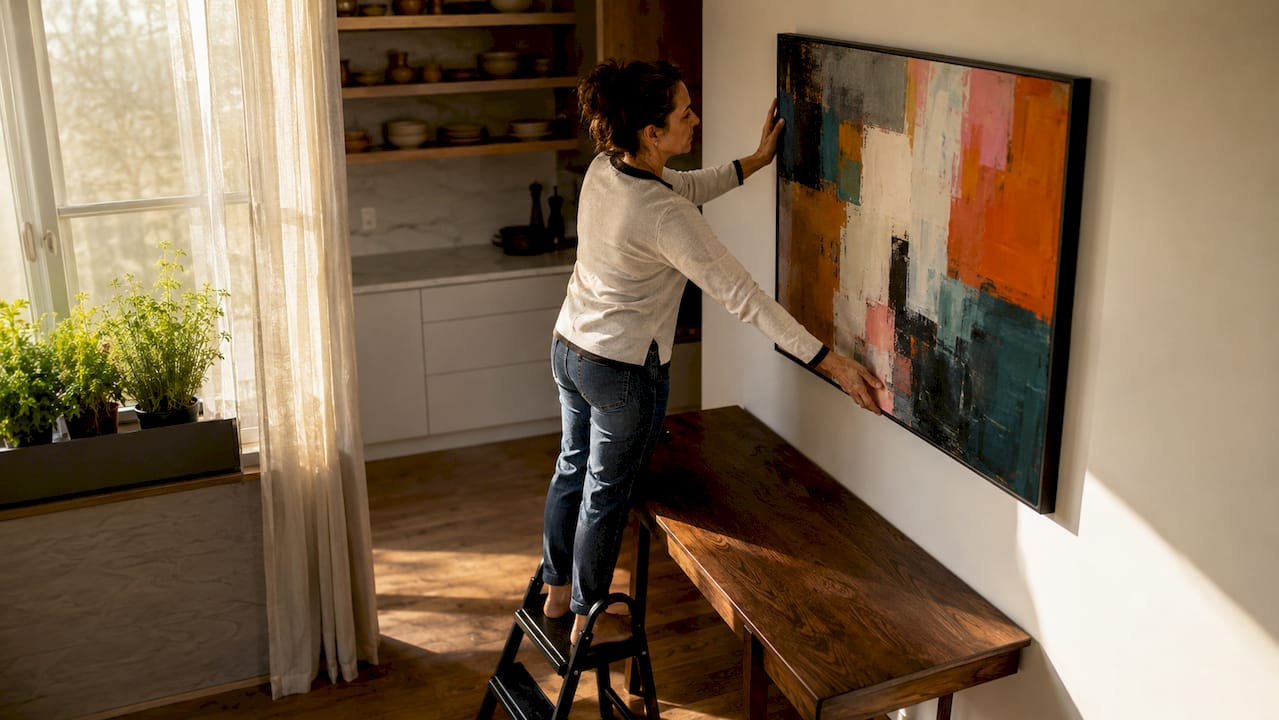
Wall art changes room atmosphere by reshaping how you perceive color, scale, emotion, and space all at once. This effect, known in interior design as environmental aesthetics, goes well beyond decoration. A review of 38 studies involving 6,800+ participants confirmed that viewing art measurably improves eudaimonic well-being, the kind tied to personal growth and meaning. That finding alone reframes why wall art matters. The impact of wall art is not just visual. It is psychological, spatial, and deeply personal. Understanding how it works gives you real control over how any room feels.
Why wall art changes room atmosphere through color and imagery
Color in wall art is the single most direct driver of emotional response in a space. The right palette can make a room feel alive, restful, or charged with energy before a single piece of furniture is moved.
Color psychology explains the mechanics here. Warm tones like red, orange, and golden yellow activate alertness and social energy. Cool tones like deep blue, sage green, and soft gray pull the nervous system toward calm. Soft gradients and muted palettes enhance calm environments, while bright, bold colors energize and invigorate rooms. That distinction matters when you are choosing art for a bedroom versus a home office.
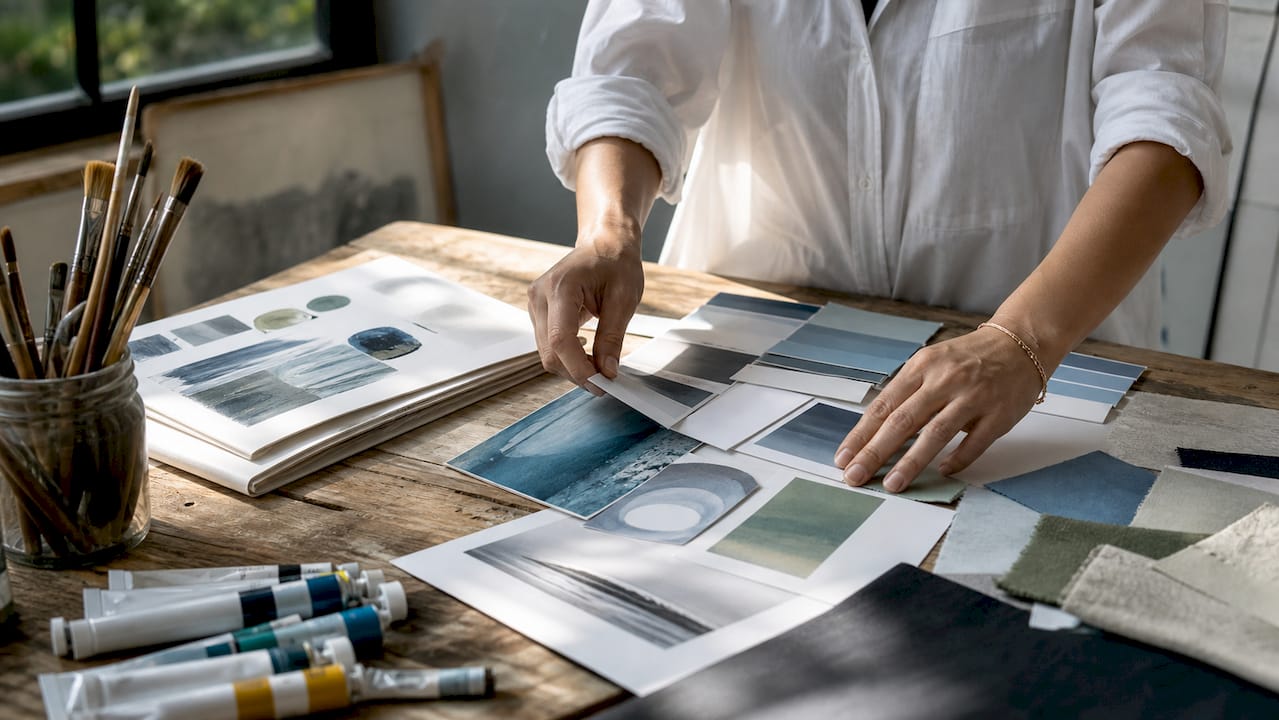
Imagery themes carry equal weight. Nature scenes, open water, and forest landscapes trigger a sense of openness and ease. Abstract art with geometric forms tends to feel intellectual and modern. Figurative art, especially portraiture, creates intimacy and draws the eye into a personal narrative. Each theme shifts the emotional register of a room in a distinct direction.
| Color Family | Emotional Effect |
|---|---|
| Warm reds and oranges | Energizing, stimulating, socially activating |
| Cool blues and greens | Calming, restorative, mentally quieting |
| Neutral grays and whites | Clean, spacious, mentally open |
| Deep jewel tones | Dramatic, luxurious, emotionally rich |
| Soft pastels | Gentle, light, emotionally soft |
Pro Tip: Match your art’s dominant color to the feeling you want the room to produce, not just to the furniture. A bedroom calling for rest benefits from cool-toned or nature-themed art far more than a bold red abstract piece, regardless of how striking it looks.
How does art placement affect spatial perception?
Placement is where most people lose the full benefit of a great piece. A stunning canvas hung at the wrong height or in the wrong spot can flatten a room instead of opening it.
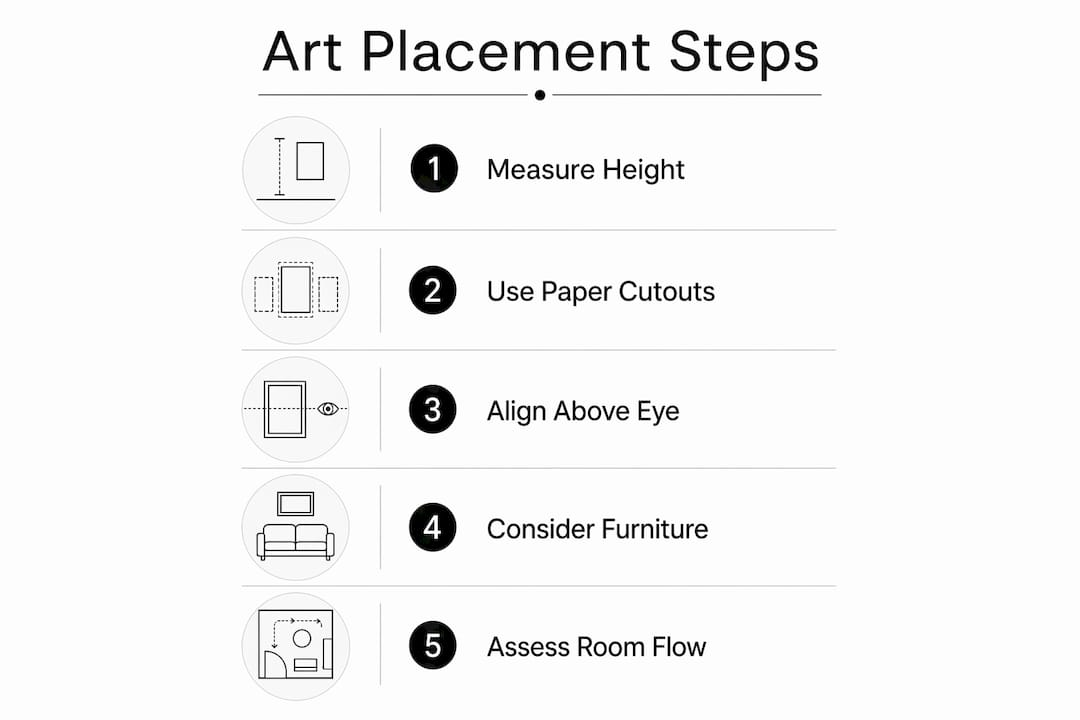
Hanging art slightly above eye level visually lifts the ceiling, making rooms appear more spacious and breathable. This works because the eye follows the art upward, carrying the viewer’s perception of the room’s height along with it. The standard recommendation is to center the piece 57–60 inches from the floor, but pushing it a few inches higher in rooms with low ceilings creates a real sense of lift.
Scale matters just as much as height. Large artwork anchors empty walls, making rooms feel balanced and less overwhelming. A single oversized canvas behind a sofa grounds the entire seating area and gives furniture a visual home. Undersized art on a large wall does the opposite. It makes the wall feel unresolved and the furniture feel unmoored.
Here are the most common placement mistakes and how to avoid them:
- Hanging art too high. The center of the piece should sit at roughly eye level for a standing adult. Going much higher disconnects the art from the room.
- Using art that is too small for the wall. A piece should span at least two-thirds the width of the furniture beneath it.
- Ignoring the relationship between art and light sources. Placing reflective or glossy art directly opposite a window creates glare that kills the visual impact.
- Grouping pieces without a unifying element. Gallery walls work when pieces share a color, frame style, or theme. Random groupings feel chaotic rather than curated.
Artworks act as visual punctuation within a space, providing rhythm and focus that reshapes spatial experience and emotional balance. A well-placed piece tells the eye where to rest.
Pro Tip: Before you hang anything, tape paper cutouts of the art to the wall and live with them for a day. You will spot proportion and placement problems in minutes that would take weeks to notice after the nails are in.
Does biophilic art actually improve how a room feels?
Biophilic art is defined as artwork depicting natural elements, including forests, water, botanical forms, and organic textures, designed to reconnect people with the natural world. Its effect on room atmosphere goes far beyond aesthetics.
Biophilic wall art activates the parasympathetic nervous system, reducing heart rate, blood pressure, and cortisol. This is the physiological basis of the Stress Reduction Theory, developed by environmental psychologist Roger Ulrich. The theory holds that nature imagery triggers an automatic calming response, the same one activated by being outdoors. A canvas of a forest path or a coastal scene produces a measurable physical effect, not just a pleasant feeling.
The long-term data is compelling. A study of 300 urban residents over 12 months found 67% improvement in depression symptoms and a 72% reduction in anxiety among those regularly exposed to biophilic art environments. Those numbers represent real change in daily mental health, not minor shifts in mood.
Biophilic art also enhances cognitive restoration by engaging involuntary attention while reducing mental fatigue. That means your brain gets a genuine rest when you look at it, which is why nature-themed art works especially well in home offices and reading rooms.
Key psychological benefits of biophilic and nature-themed wall art include:
- Reduced cortisol and lower resting heart rate
- Measurable decreases in anxiety and depression over time
- Improved cognitive restoration and reduced mental fatigue
- Greater sense of personal meaning and emotional well-being
“Visual art creates a unique space for sustained reflection, allowing individuals to project and revisit personal meanings, supporting emotional well-being.” — Major Psychological Review
How wall art interacts with light, texture, and sound
Wall art does not operate in isolation. It interacts with every other sensory element in a room, including light, surface texture, and even sound.
Art surfaces interact with lighting and texture to influence room brightness and acoustics, altering ambiance beyond the visual. A matte canvas absorbs light and creates a softer, warmer feel. A glossy print reflects light and adds brightness to darker corners. Metallic or mixed-media pieces scatter light in ways that make a room feel dynamic at different times of day.
Here is how to use these interactions intentionally:
- Place matte canvas art on walls opposite windows. The soft absorption prevents glare and keeps the room feeling warm rather than harsh.
- Use textured art in rooms that feel acoustically hard. Canvas and textile-based pieces absorb sound waves, reducing echo in rooms with tile floors or bare walls.
- Position reflective or metallic art near dim corners. The light scatter adds perceived brightness without requiring additional fixtures.
- Layer art with ambient lighting. A picture light or directional track light above a canvas changes the entire mood of a wall after dark.
Textural elements in artwork, including impasto brushwork, layered fabric, or three-dimensional relief, add tactile depth that makes a room feel more considered and complete. You do not need to touch the art for the texture to register. The eye reads it and the brain interprets the room as richer for it. Exploring types of wall art for living rooms that combine texture with bold imagery gives you the most sensory range in a single piece.
Key takeaways
Wall art changes room atmosphere through color psychology, strategic placement, biophilic content, and multisensory interaction with light and texture.
| Point | Details |
|---|---|
| Color drives emotional tone | Match art color temperature to the mood you want: cool for calm, warm for energy. |
| Placement shapes spatial perception | Hanging art slightly above eye level and at the right scale makes rooms feel larger and more balanced. |
| Biophilic art reduces stress | Nature-themed art activates the parasympathetic nervous system and measurably lowers anxiety over time. |
| Texture and light interact | Matte canvases absorb light for warmth; textured art softens acoustics in hard-surfaced rooms. |
| Personal connection amplifies impact | Art that resonates emotionally transforms a room more deeply than art chosen purely for style. |
What i have learned from placing art in real rooms
I have spent years watching people choose art that looks perfect in a store and falls flat on their walls at home. The most common reason is that they pick for the piece, not for the room. They fall in love with a color or a subject without asking what the room actually needs.
The shift that changes everything is treating art as a design tool first and a personal statement second. That does not mean suppressing your taste. It means understanding that a bold, high-contrast piece in a room that already has strong patterns and saturated furniture will fight everything around it. The art loses. The room loses. The fix is usually simpler than people expect: a piece with the same energy but a more restrained palette, or the same palette in a smaller format.
Personal connection to wall art enhances its ability to transform a room by expressing identity and eliciting emotional depth. That is real. But personal connection and design harmony are not opposites. The best rooms I have seen hold both. The art feels chosen, not placed. It fits the room and still says something true about the person who lives there.
My honest advice: buy one piece that genuinely moves you, then build the room around it rather than fitting it into a room that is already finished. That sequence changes the outcome completely.
— James
Transform your space with art that actually works
If you are ready to put these principles into practice, Luxuryartcanvas makes it straightforward. The collection spans over 1,000 designs, from bold graffiti canvas paintings that bring raw urban energy to rooms that feel too safe, to large graffiti wall art built to anchor oversized walls with the kind of visual weight that actually shifts a room’s atmosphere.

Every canvas is crafted in the USA with materials built for long-term visual impact. Whether you want the calming restraint of minimalist wall art or the charged energy of pop art canvas pieces inspired by Chanel and Louis Vuitton, Luxuryartcanvas has a piece that fits the room you are trying to create. Over 10,000 satisfied customers have already made the change.
FAQ
How does wall art change the mood of a room?
Wall art changes mood primarily through color and imagery. Cool tones calm the nervous system, warm tones energize it, and nature-themed art triggers a measurable stress-reduction response through the parasympathetic nervous system.
What size art works best for changing room atmosphere?
Large artwork, spanning at least two-thirds the width of the furniture beneath it, anchors walls and creates visual balance. Undersized art on a large wall makes the space feel unresolved rather than transformed.
Does the placement height of art really matter?
Placement height directly affects how spacious a room feels. Hanging art slightly above eye level visually raises the perceived ceiling height, making the room feel more open and breathable.
What type of wall art is best for reducing stress?
Biophilic art depicting natural elements such as forests, water, and botanical forms is the most research-backed choice. A 12-month study showed a 72% reduction in anxiety among people regularly exposed to biophilic art environments.
Can wall art improve a small room’s atmosphere?
A single large-scale piece or a vertically oriented artwork draws the eye upward and outward, making small rooms feel less confined. Art that corrects room proportions and unifies color schemes creates cohesive visual flow that makes tight spaces feel intentional rather than cramped.
Oversized Prints in Modern Decor: 2026 Guide
What Is Luxury Wall Art? A Complete Style Guide