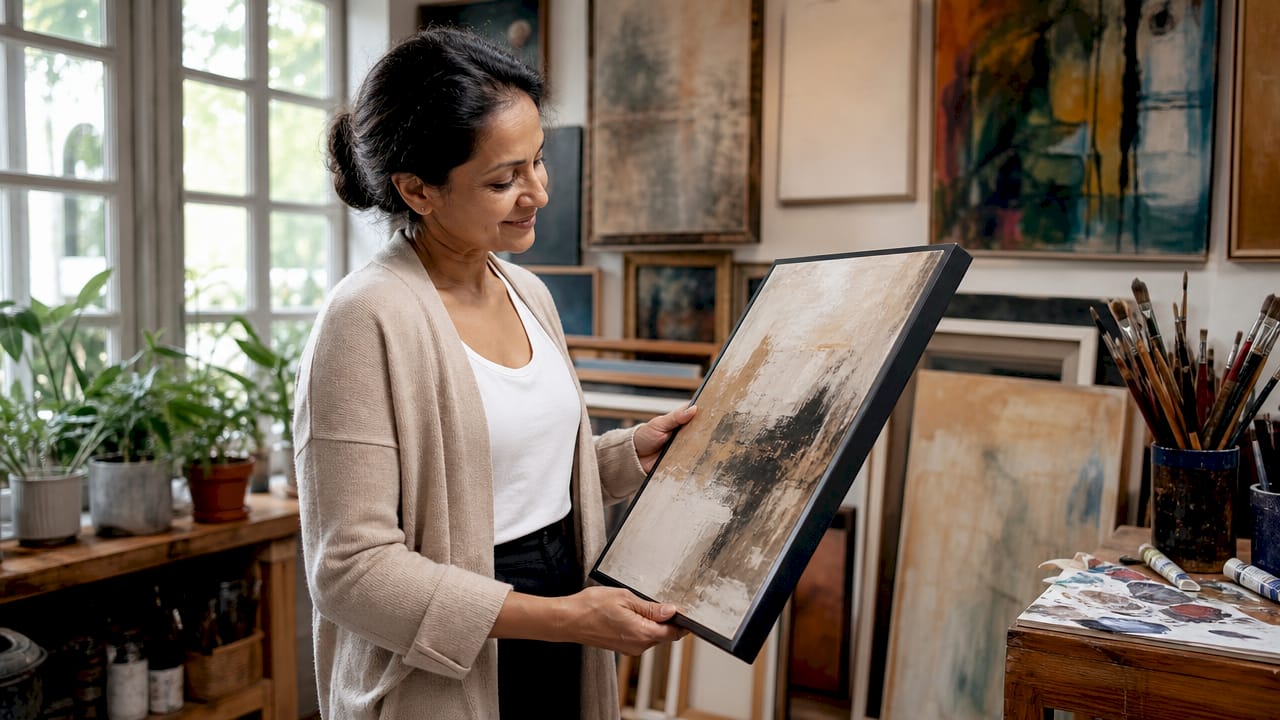
Art investment for home decor is the practice of selecting artworks that beautify your living space while functioning as appreciating financial assets. Most homeowners think of wall art as pure decoration. The smarter approach treats each piece as a dual asset: something you live with daily and something that can grow in value over time. This guide covers what is art investment for home decor, why it matters, how to evaluate pieces, and what risks to watch for before you spend a dollar.
What are the main benefits of art investment for home decor?
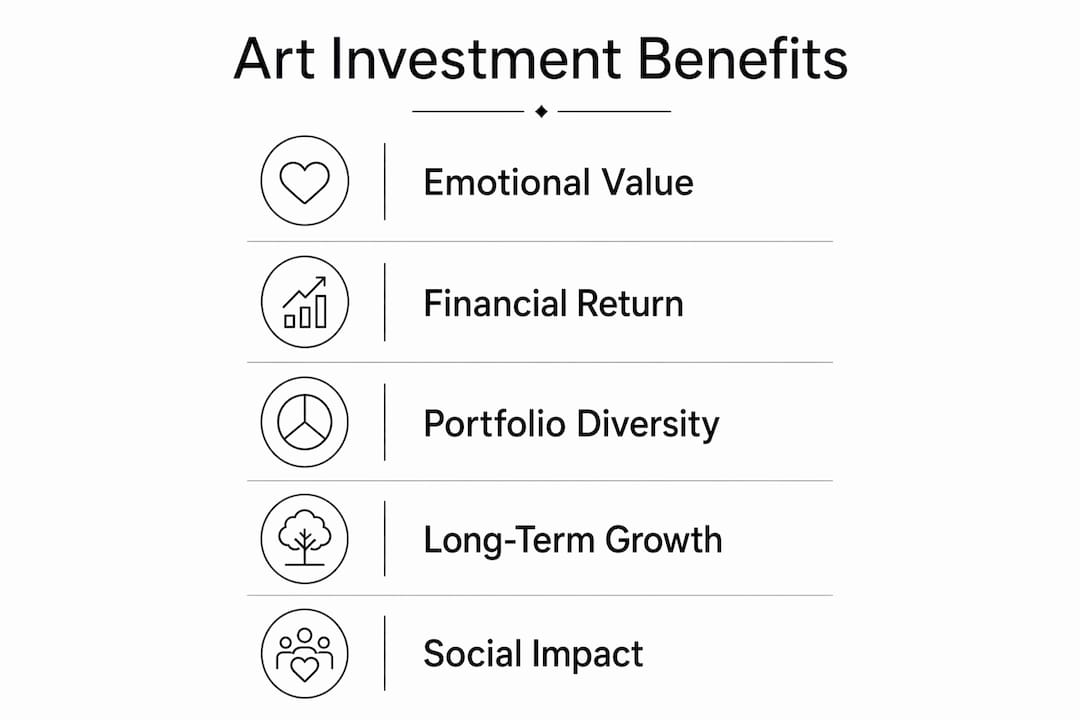
Art delivers two types of returns: emotional and financial. Emotional and aesthetic value drives 40% of art acquisitions, with financial motivation accounting for 30% and social value for 16%. That split tells you something important: most collectors buy art because they love it, and the financial upside is a welcome bonus.

Aesthetic and emotional satisfaction
Living with art you genuinely love changes how a room feels. A bold graffiti canvas in a living room creates energy. A large-format pop art piece in a hallway makes a statement before a guest says a word. These effects are immediate and daily, which is why aesthetic satisfaction consistently ranks as the top reason collectors acquire art.
Portfolio diversification
Art investment benefits extend well beyond aesthetics. Integrating art into diversified portfolios improves Sharpe and Sortino ratios by over 13% and 24% respectively. That means art reduces downside risk while maintaining upside potential. Collectors during the 2008 financial crisis and the 2020 market downturn reported their art collections as stable assets precisely because illiquidity prevented panic selling.
Long-term appreciation and social value
Art that holds cultural relevance tends to appreciate over time. Pieces tied to iconic brands, movements, or artists with institutional recognition carry built-in demand. Beyond money, displaying meaningful art signals taste, cultural awareness, and personal identity. That social dimension adds a layer of value no stock ticker can replicate.
How do you evaluate art for decor appeal and investment potential?
Selecting art that works both as decor and as an investment requires a clear framework. Style alone is not enough. You need to assess several factors before committing.
-
Artist reputation and institutional validation. Quality, rarity, and institutional recognition greatly influence upward investment potential. Artists with museum acquisitions, solo exhibitions, and published critical writing tend to hold or increase in value. An artist featured in a major gallery show carries more investment credibility than one selling exclusively through social media.
-
Provenance and authenticity. Condition reports and provenance documents are critical to retaining or increasing artwork value. Losing them can reduce value by over 50%. Always request certificates of authenticity and full provenance records before purchasing.
-
Style, size, and fit with your home. An investment piece that clashes with your interior will feel like a burden, not an asset. Consider scale relative to wall space, color palette relative to existing furniture, and whether the piece anchors or overwhelms the room. Guides on accent wall art selection can help you match art to architectural features.
-
Scarcity and edition type. Original works carry the highest investment potential. Limited edition prints from established artists offer a middle ground: more accessible in price, still scarce enough to appreciate. Open edition prints are primarily decorative and rarely appreciate significantly.
-
Advisory professionals. Professional art advisors help clients avoid impulsive purchases by advising when to say no. Their key role is increasing collection quality and long-term value. If you are spending more than a few thousand dollars, a consultation with an advisor pays for itself.
Pro Tip: Before buying, search the artist’s name on major auction databases. Consistent sale prices above estimate signal healthy demand. Erratic or declining results signal caution.
What are the risks and costs of art investment for home decor?
Art investment carries real risks that homeowners often underestimate. Knowing them upfront protects your budget and your walls.
-
Illiquidity. The art market lacks a centralized exchange, so selling artworks can take months or years depending on demand. Never commit funds you may need in the short term to an art purchase.
-
Ongoing ownership costs. Maintenance costs including climate control, insurance, and appraisals add to total ownership costs and can consume investment gains. A piece that appreciates 10% over five years may net far less after insurance premiums and conservation fees.
-
Market volatility and shifting trends. Artistic trends change. An artist who commands high prices today may fall out of fashion in a decade. Buying purely on hype, without regard for the artist’s track record, is the fastest way to lose money.
-
Forgery risk. The art market has no equivalent of a stock exchange’s verification system. Forgeries exist at every price point. Condition reports, provenance chains, and third-party authentication are your primary defenses.
-
Impulsive purchases. Buying art at a fair or gallery opening, caught up in the atmosphere, often leads to regret. The piece may not suit your home, the artist may lack staying power, or the price may have been inflated by event excitement.
Pro Tip: Set a firm budget before attending any gallery event or art fair. Treat it like a shopping list. If a piece is not on your research shortlist, walk away and revisit it with fresh eyes the next day.
What practical steps can homeowners take to start investing in art?
Starting an art collection with investment intent does not require a large budget. It requires a clear plan.
-
Set a budget and define your intent. Decide upfront what percentage of your purchase is for decor enjoyment and what percentage you expect to recover or grow financially. This prevents disappointment if a piece does not appreciate.
-
Research emerging and established artists. Emerging artists offer lower entry prices and higher upside if their careers develop. Established artists offer stability but cost more. A balanced collection holds both. Checking home decor art ideas from curated sources helps you spot styles gaining momentum.
-
Consider fractional ownership and art funds. Fractional ownership and art funds provide alternative entry points, granting access with lower budgets and increased liquidity. These vehicles suit homeowners who want financial exposure to the art market without the full costs of physical ownership.
-
Visit galleries, fairs, and consult advisors. Seeing art in person changes your assessment of scale, texture, and color accuracy. Art fairs like Frieze or Art Basel expose you to a wide range of styles and price points in a single visit. An interior design professional can also help you integrate art selection with your overall decor strategy.
-
Integrate art with your decor strategy. Buying art for investment for home decor works best when the piece fits naturally into your space. A canvas that looks forced or out of place will frustrate you long before it appreciates. Think of each purchase as a long-term relationship with your wall.
The table below summarizes the key decision factors at each step:
| Step | Primary focus | Key question to ask |
|---|---|---|
| Set budget | Financial clarity | How much can I hold for 5+ years? |
| Research artists | Market knowledge | Does this artist have institutional backing? |
| Choose ownership type | Access and liquidity | Do I want physical ownership or fractional exposure? |
| Visit galleries | Sensory evaluation | Does this piece work in my actual space? |
| Integrate with decor | Aesthetic fit | Does this piece anchor or compete with my room? |
Key takeaways
Art investment for home decor works best when aesthetic enjoyment and financial discipline guide every purchase equally.
| Point | Details |
|---|---|
| Dual purpose drives value | Art that you love and that holds cultural relevance delivers both daily satisfaction and long-term appreciation. |
| Provenance is non-negotiable | Missing condition reports or authenticity documents can cut an artwork’s value by more than half. |
| Illiquidity is a feature, not a flaw | Art’s inability to be sold quickly prevents panic decisions and stabilizes portfolio performance during market downturns. |
| Ongoing costs reduce net returns | Budget for insurance, climate control, and appraisals before calculating expected investment gains. |
| Start with what you enjoy | Emotional satisfaction is the primary driver for 40% of collectors and the safest foundation for a first collection. |
Why I think most homeowners get art investment backwards
Most homeowners I have spoken with approach art investment the wrong way. They start with the financial question: “Will this piece go up in value?” That is the wrong first question. The right first question is: “Would I be happy living with this piece for ten years even if it never appreciated?”
The most critical advice from experienced collectors is consistent: prioritize artworks you personally enjoy, because the emotional benefit of living with art transcends financial returns. I have seen homeowners buy pieces purely on investment advice and end up with walls that feel like a storage unit. The art sits there, unloved, and the owner resents it.
The collections that hold value and bring genuine satisfaction share one trait: the owner bought each piece because it moved them. Financial research, provenance checks, and advisor input came second. That order matters. Art is not a stock. You live with it every morning. Buy accordingly.
— James
Wall art that works as decor and as a collection
Luxuryartcanvas curates over 1,000 canvas designs that merge high fashion with street culture, giving homeowners a genuine starting point for building a collection with both visual impact and cultural staying power.
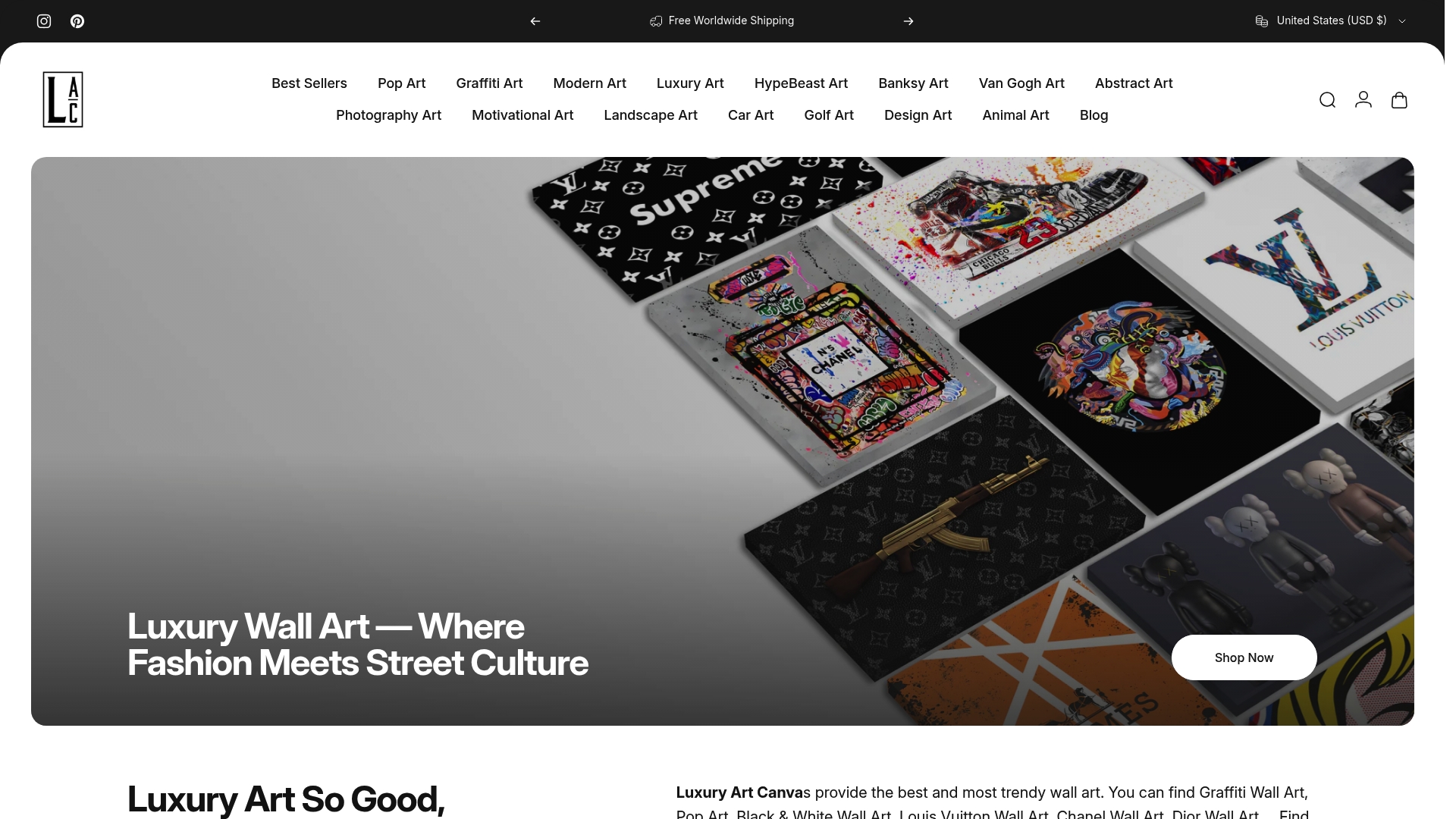
Each canvas is crafted in the USA with materials built for durability, so you are not trading quality for style. Whether you are drawn to bold Louis Vuitton wall art or the raw energy of graffiti street art canvas pieces, the catalog covers the full range of investment-worthy decor styles. More than 10,000 satisfied customers have used Luxuryartcanvas to make strong aesthetic statements in their homes. Browse the full collection at Luxuryartcanvas and find pieces that earn their place on your wall.
FAQ
What is art investment for home decor?
Art investment for home decor is the practice of buying artworks that enhance your living space while functioning as assets that may appreciate in value over time. It combines aesthetic enjoyment with portfolio diversification.
Is art a good investment for homeowners?
Art can be a good investment when selected carefully. Integrating art into diversified portfolios improves risk-adjusted returns, but illiquidity means you should only invest funds you can hold for the long term.
How do I start buying art for decor with investment intent?
Set a clear budget, research artists with institutional backing, and prioritize pieces you genuinely love. Visiting galleries in person and consulting an art advisor before major purchases significantly reduces the risk of costly mistakes.
What documents do I need to protect an art investment?
You need a certificate of authenticity, a condition report, and a full provenance record. Losing these documents can reduce an artwork’s value by more than 50%, even for pieces by established artists.
Can I invest in art without buying physical pieces?
Yes. Fractional ownership platforms and art funds let you gain financial exposure to the art market with lower budgets and greater liquidity than physical ownership requires.
Why Bold Canvas Art Transforms Spaces and Rooms
What Is Bespoke Wall Decor? A Homeowner's Guide