
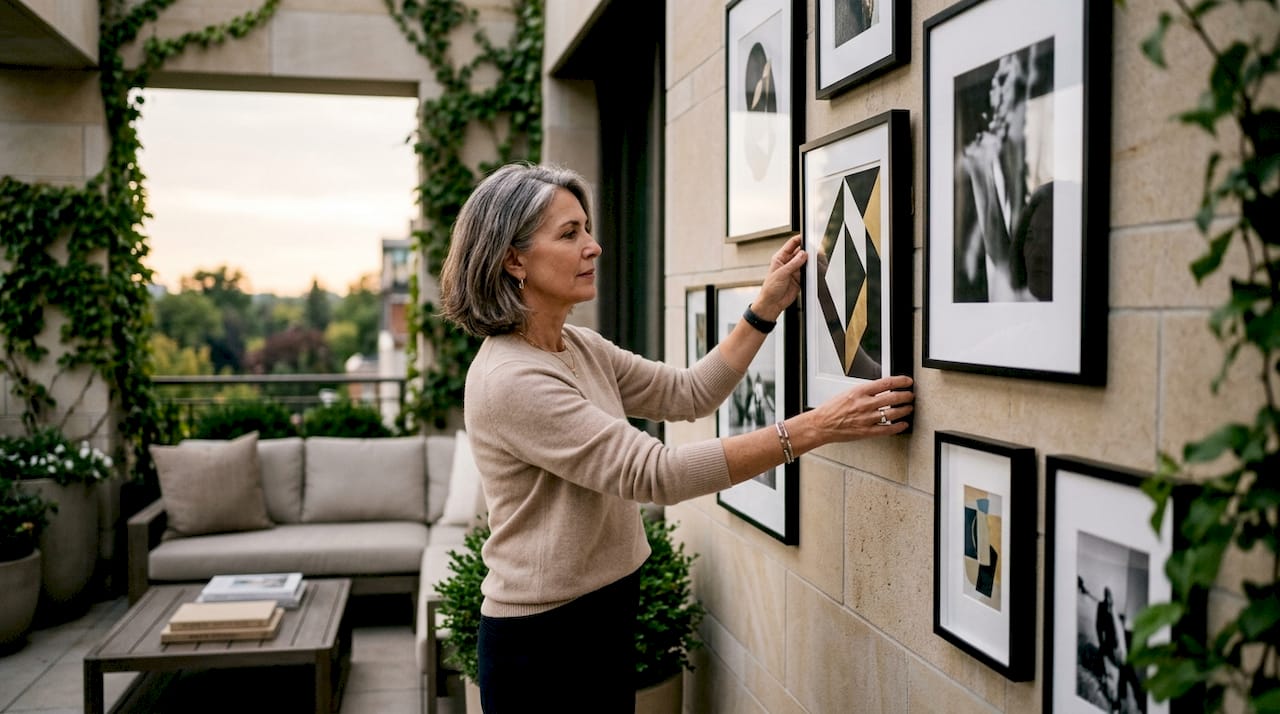
Gallery wall ideas for luxury homes are curated artistic arrangements that combine high-quality materials, precise spacing, and sophisticated layouts to transform any living space into a refined gallery experience. The professional standard for installation places the center point of any arrangement at 58 to 60 inches from the floor, with consistent frame spacing of 2–3 inches between pieces. Luxury curation follows one governing principle: restraint over abundance. Fewer, carefully chosen pieces carry far more visual authority than a wall crowded with competing images. Luxuryartcanvas offers over 1,000 distinct designs crafted in the USA, giving affluent homeowners the raw material to build a collection that is genuinely personal.
1. Gallery wall ideas for luxury homes: the core principles
The foundation of any gallery-quality installation is precision. Consistent 2–3 inch spacing between frames and a center-point height of 58–60 inches from the floor are the two non-negotiable standards. Miss either one and even premium pieces look unanchored and accidental.
Restraint is the second principle. Luxury rooms rely on fewer, carefully selected pieces rather than dense arrangements. Each work on the wall should be able to stand on its own merits before it earns a place in the group.
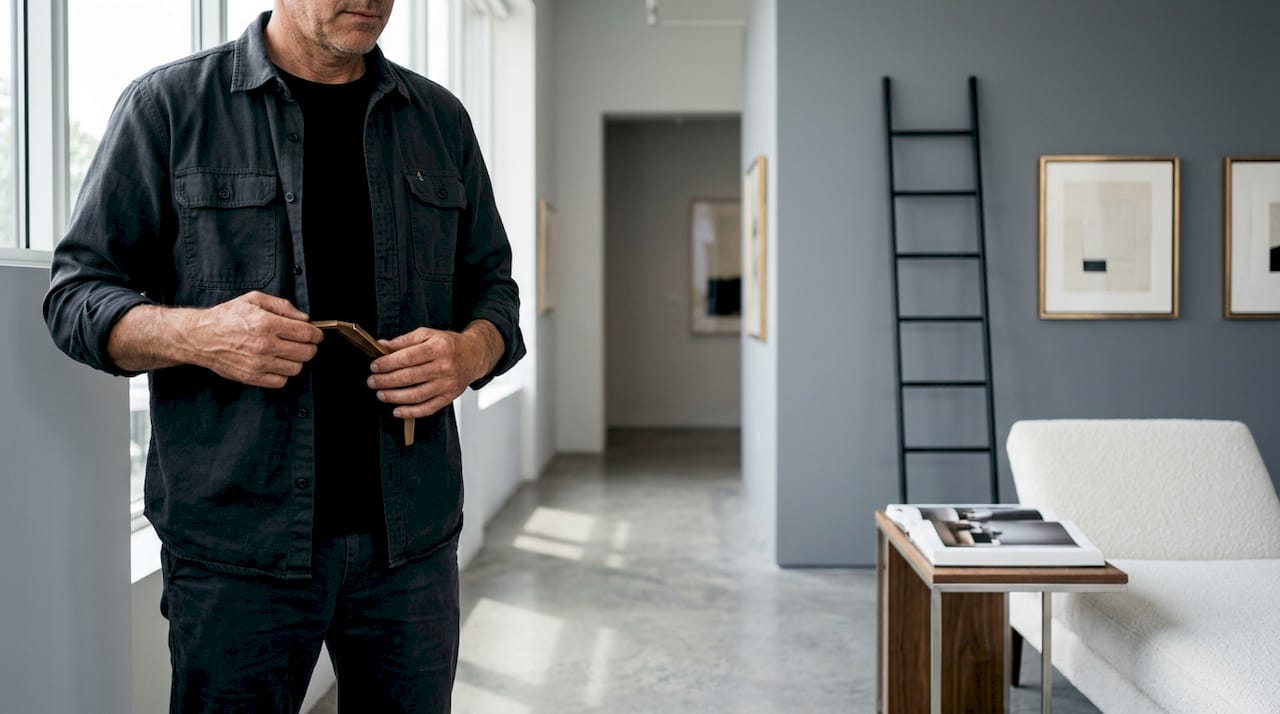
Intentionality ties everything together. Every decision, from frame finish to mat width to the gap between pieces, should be deliberate. A gallery wall built on these three principles reads as a collection. One built without them reads as storage.
Pro Tip: Before committing to a layout, photograph the wall with painter’s tape marking each frame position. The camera reveals imbalances the eye misses when you are standing in the room.
2. Professional installation techniques that protect your walls
Paper templates are the professional standard for planning gallery walls before a single nail goes in. Trace each frame onto kraft paper, cut it out, and tape the templates to the wall. This lets you test spacing, adjust the layout, and mark nail holes without touching the actual surface.
This matters especially in luxury homes where wall finishes, plaster, or hand-applied Venetian stucco are expensive to repair. A single misplaced nail in a lacquered wall can cost hundreds of dollars to fix. Templates eliminate that risk entirely.
For arrangements with more than five pieces, work outward from the anchor piece rather than starting at a corner. Place the largest or most visually dominant work first, then build the composition around it. This approach produces balanced results far more reliably than filling in from the edges.
Pro Tip: Use a laser level rather than a standard bubble level for multi-row arrangements. A laser line spans the full wall width and catches drift that a short level misses.
For detailed guidance on spacing and layout, the oversized art placement guide from Luxuryartcanvas covers eye-level hanging and proportional spacing in depth.
3. Materials and framing that signal true luxury
High-end gallery walls are defined by their materials as much as their art. Solid hand-cast bronze, silk, and archival-quality mounts age gracefully and communicate quality at a glance. Mass-produced synthetic frames undercut even the finest artwork.
Custom framing at the luxury level exceeds $300 per piece. That figure reflects the cost of museum-grade materials, UV-protective glass, and hand-finishing. Mid-range framing runs $75–$300 per piece and can work well when the frame profile and finish are chosen carefully.
The mat is as important as the frame. Wide neutral mats in warm white or soft cream serve two purposes. They give the artwork visual breathing room, and they prevent moisture buildup between the glass and the surface of the piece. For valuable works on paper or photography, this is a preservation requirement, not an aesthetic preference.
“High-end gallery walls avoid mass-market materials, favoring natural finishes and materials engineered to age gracefully, reinforcing longevity as a luxury hallmark.”
Frame finishes that consistently work in luxury interiors include:
- Gilded or burnished gold for traditional and transitional rooms
- Matte black steel or iron for contemporary and industrial luxury spaces
- Natural walnut or white oak for warm, organic interiors
- Hand-cast bronze for formal rooms and statement collections
- Lacquered white or ivory for gallery-style minimalist spaces
Unifying the frame finish across a collection is not mandatory, but it is the fastest way to make a mixed collection read as intentional rather than assembled by accident.
For a starting point in minimalist luxury framing, Luxuryartcanvas offers framed pieces designed to integrate cleanly into high-end interiors.
4. Layout approaches for sophisticated art displays
The two dominant layouts for luxury gallery walls are the salon style and the grid. Each produces a different effect, and the right choice depends on the room’s architecture and the character of the collection.
Salon style uses asymmetrical arrangements with pieces of varying sizes. The result feels collected and personal, as if the wall has grown over time. This layout suits rooms with traditional or transitional architecture, high ceilings, and collections that mix media, periods, or subject matter.
Grid layout places identically sized frames in precise rows and columns. The effect is clean, controlled, and contemporary. It works best in modern luxury interiors where the architecture itself is geometric and the art collection is thematically unified.
Three-dimensional elements add depth that flat arrangements cannot achieve. Sculptural wall objects, ceramic reliefs, or dimensional textile pieces break the visual plane and give the wall a tactile quality. One or two three-dimensional pieces in an otherwise flat arrangement create contrast without disrupting the overall composition.
Hanging picture rails are the defining trend of 2026 for gallery walls in luxury homes. A rail system mounted at the ceiling or cornice line allows frames to hang from adjustable cables or rods. Art can be repositioned or swapped without leaving new marks on the wall. The result is a collection that feels alive rather than fixed.
Pro Tip: When mixing frame sizes in a salon-style layout, keep the top edges of the upper row aligned. This single horizontal line gives the eye a reference point and prevents the arrangement from looking chaotic.
Color and theme also shape the reading of a gallery wall. A collection unified by palette, subject, or medium reads as curated. A collection with no connecting thread reads as random, regardless of the individual quality of each piece. You do not need strict thematic unity, but you do need at least one visual thread that runs through the group.
5. Room-by-room recommendations for luxury spaces
Different rooms in a luxury home call for different approaches to art display. The architecture, lighting, and function of each space should shape the layout and scale of the arrangement.
Living rooms are the primary venue for gallery walls in most luxury homes. Position the anchor piece slightly off-center above the fireplace or main sofa wall, where the eye naturally falls. Build the composition outward from that anchor. Scale matters here: a living room with 12-foot ceilings can support a salon-style arrangement that reaches from chair rail to cornice.
Entryways set the tone for the entire home. A single large-scale work or a tightly composed three-piece arrangement creates immediate impact without overwhelming a narrow space. High-contrast pieces with strong graphic presence work well here because they read quickly as guests move through.
Dining rooms require careful attention to lighting. Art displayed above a sideboard or on the wall opposite the windows benefits from dedicated picture lighting. Warm-toned frames and warm-white mats complement the candlelight and amber tones typical of dining room environments.
Hallways are underused in most luxury homes. A long corridor is a natural gallery. Use a consistent frame height and spacing to create a rhythm that draws visitors down the hall. Smaller works at 58–60 inches center height work better here than oversized pieces that overwhelm the narrow proportions.
Additional considerations for luxury spaces:
- Coffered ceilings and wall paneling create natural frames within the architecture. Work with these elements rather than against them.
- In rooms with large windows, avoid placing art directly opposite the glass. Glare from natural light flattens the image and can damage works on paper over time.
- Dedicated picture lighting, whether recessed adjustable spots or surface-mounted picture lights, is not optional in a true luxury installation. Ambient light alone does not do justice to quality art.
A Louis Vuitton canvas from Luxuryartcanvas placed as an anchor piece in an entryway or living room delivers the kind of immediate visual authority that sets the tone for the spaces that follow.
Key takeaways
The most effective gallery wall ideas for luxury homes combine museum-grade installation standards, premium materials, and deliberate curation to produce arrangements that read as collections rather than decoration.
| Point | Details |
|---|---|
| Follow installation standards | Hang center points at 58–60 inches from the floor with 2–3 inch spacing between frames. |
| Use paper templates | Map every nail hole before installation to protect expensive wall finishes. |
| Invest in quality framing | Custom luxury framing exceeds $300 per piece and uses archival mounts and wide neutral mats. |
| Choose a layout with intention | Salon style suits traditional rooms; grid layouts work best in contemporary luxury interiors. |
| Anchor each room correctly | Place the dominant piece where the eye naturally falls, then build the composition outward. |
Why restraint is the hardest skill in luxury curation
The conventional advice on gallery walls focuses almost entirely on arrangement mechanics: spacing, height, templates, and frame finishes. Those details matter. But the skill that actually separates a gallery wall that looks expensive from one that merely looks busy is knowing what to leave out.
I have seen rooms where every wall surface was covered with art of genuine quality, and the result was exhausting. The pieces competed rather than conversed. Restraint is not about having fewer ideas. It is about having the confidence to let one strong piece carry the weight that ten weaker pieces cannot.
The picture rail trend appeals to me precisely because it builds restraint into the system. When swapping a piece is easy, you are forced to decide which works are actually earning their place on the wall right now. That ongoing edit is what keeps a collection alive.
My honest advice: buy one fewer piece than you think you need. Live with the wall for a month. If the empty space bothers you, fill it. If it does not, you have found the right density for that room. Luxury is not the absence of empty space. It is the presence of the right things in the right places.
— James
Luxuryartcanvas: curated art for high-end gallery walls
Building a gallery wall at the luxury level starts with sourcing art that can hold its own in a demanding installation. Luxuryartcanvas specializes in bold, high-impact canvases that merge high fashion with street culture, including graffiti art, pop art, and iconic brand-inspired designs from Chanel and Louis Vuitton. Every piece is crafted in the USA with materials built for visual longevity.

The catalog includes over 1,000 distinct designs, backed by more than 10,000 satisfied customers. Whether you are building a salon-style arrangement in a formal living room or a graphic-forward display in a contemporary entryway, the premium graffiti wall art collection at Luxuryartcanvas offers anchor pieces with the scale and presence that luxury gallery walls demand. For collectors drawn to the energy of pop art, the pop art canvas collection delivers the same quality with a different visual register.
FAQ
What spacing is standard for a luxury gallery wall?
The professional standard is 2–3 inches between frames, with the center point of the arrangement hung at 58–60 inches from the floor. These measurements apply whether you are hanging two pieces or twenty.
How much does quality framing cost for a luxury gallery wall?
High-end custom framing exceeds $300 per piece and uses archival mounts, UV-protective glass, and hand-finished profiles. Mid-range framing runs $75–$300 per piece and can work well when materials and finishes are chosen carefully.
What is the best layout for a luxury home gallery wall?
Salon-style asymmetrical arrangements suit traditional and transitional rooms with varied collections. Grid layouts work best in contemporary luxury interiors where the architecture is geometric and the collection is thematically unified.
Why are picture rails trending in luxury homes in 2026?
Picture rails allow flexible, movable displays without leaving additional marks on the wall. They let homeowners swap and rearrange art as their collection grows, which suits the “collected not prescribed” aesthetic that defines current luxury interiors.
What type of mat is best for valuable artwork?
Wide neutral mats in warm white or soft cream are the museum standard. They provide visual breathing room and prevent moisture buildup between the glass and the artwork surface, which is a preservation requirement for valuable works on paper or photography.
Why Canvas Quality Matters in Fine Art: A Collector's Guide
Bold Color Canvas Art Benefits for Your Space