
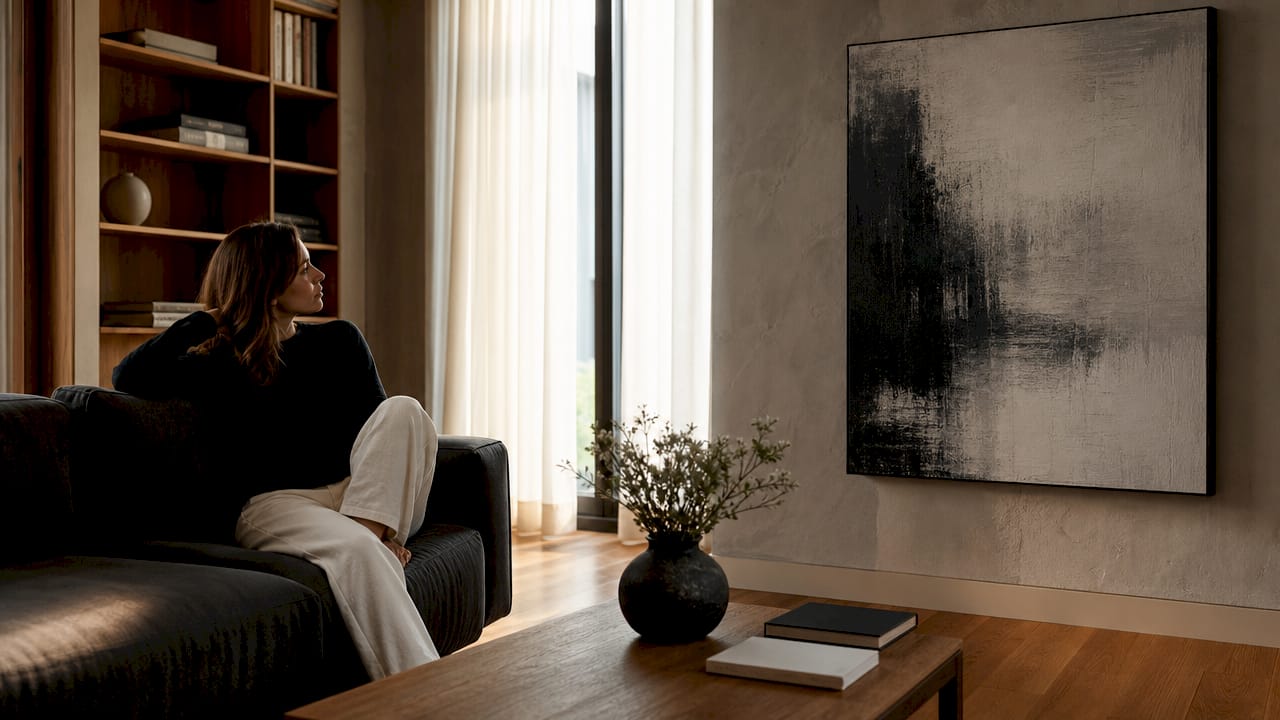
Canvas art is defined as a primary tool for mood regulation, using color, theme, and composition to actively shift how a space feels and how you feel inside it. The role of canvas art in mood setting goes far beyond decoration. Research confirms that the emotional influence of canvas art operates through a measurable interaction between visual elements and psychological response. The Theme-Color-Emotion (TCE) model, validated with a prediction accuracy of 87.6%, shows that color and theme work together, not independently, to shape emotional outcomes. Luxuryartcanvas applies this principle across more than 1,000 designs, giving you real tools to build the atmosphere you want.
How do color and theme in canvas art work together to influence mood?
The emotional impact of canvas art does not come from color alone. Color and theme interact to produce emotional outcomes, meaning a blue painting of an industrial scene reads very differently from a blue painting of an ocean at dusk. This is the core finding of the TCE framework, and it changes how you should think about choosing art.
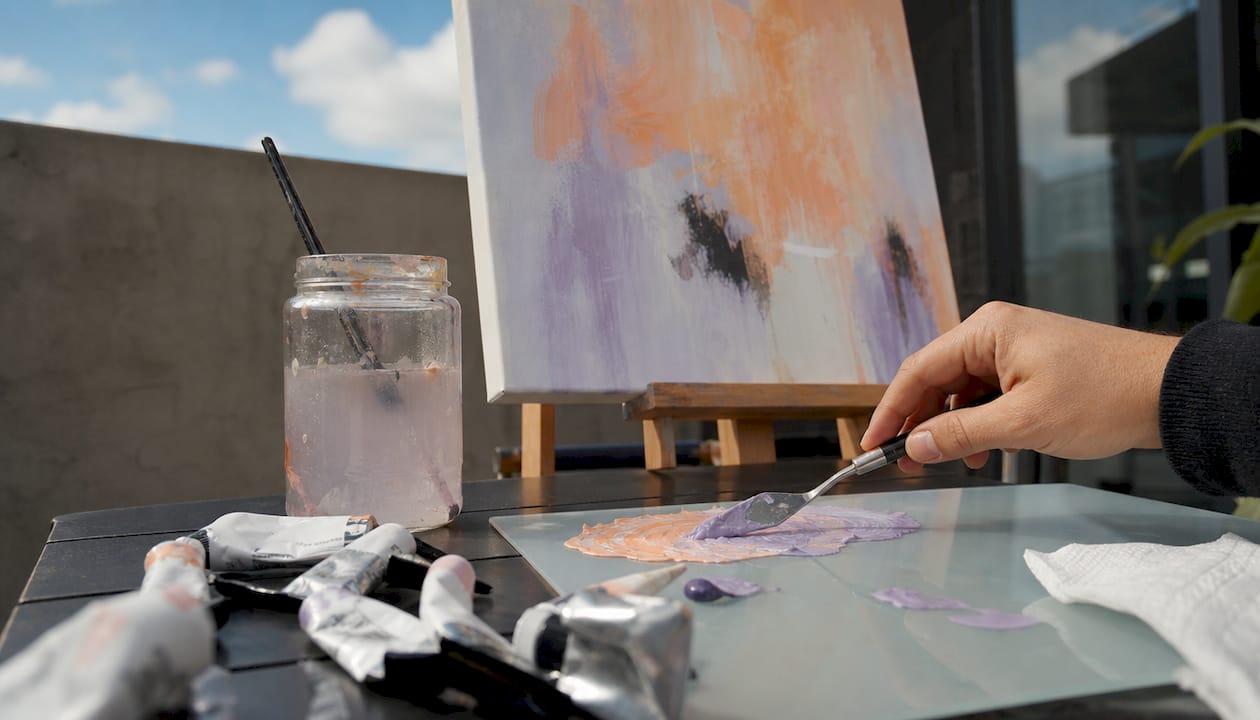
The TCE framework identifies a significant third-order interaction effect between theme, color, and emotion. That means predicting how a piece of art will make you feel requires reading all three variables together, not just picking a “calming color.” A canvas with cool blue-greens works powerfully when paired with a natural landscape theme. Natural landscape artworks achieve a 67.3% positive emotional association rate, compared to 52.1% for other themes. That gap is significant. It means the subject matter of your art shapes emotional response just as much as the palette does.
Here is how to apply this practically when selecting art:
- Calm and restoration: Choose landscape themes with blue-green or soft earth palettes. Ocean scenes, forest paths, and open skies consistently trigger positive emotional associations.
- Energy and focus: Bold graphic themes with high-contrast colors, such as pop art or graffiti-style compositions, activate alertness and visual engagement.
- Warmth and connection: Figurative themes with warm amber, terracotta, or deep red tones create a sense of intimacy. These work well in living rooms and dining areas.
- Contemplation: Dark-toned abstract or seascape themes with muted palettes shift a room toward a reflective, quieter emotional register.
Pro Tip: When selecting art for a specific mood, write down the emotion you want first, then choose theme and color as a pair. Never start with color alone. A red abstract and a red floral canvas will produce very different emotional results in the same room.
The psychology of wall art colors is more nuanced than most decor guides suggest. Treating color as a standalone mood trigger leads to mismatched expectations. Treating color and theme as a system gives you reliable, repeatable results.
What are the psychological effects of canvas art on emotional well-being?
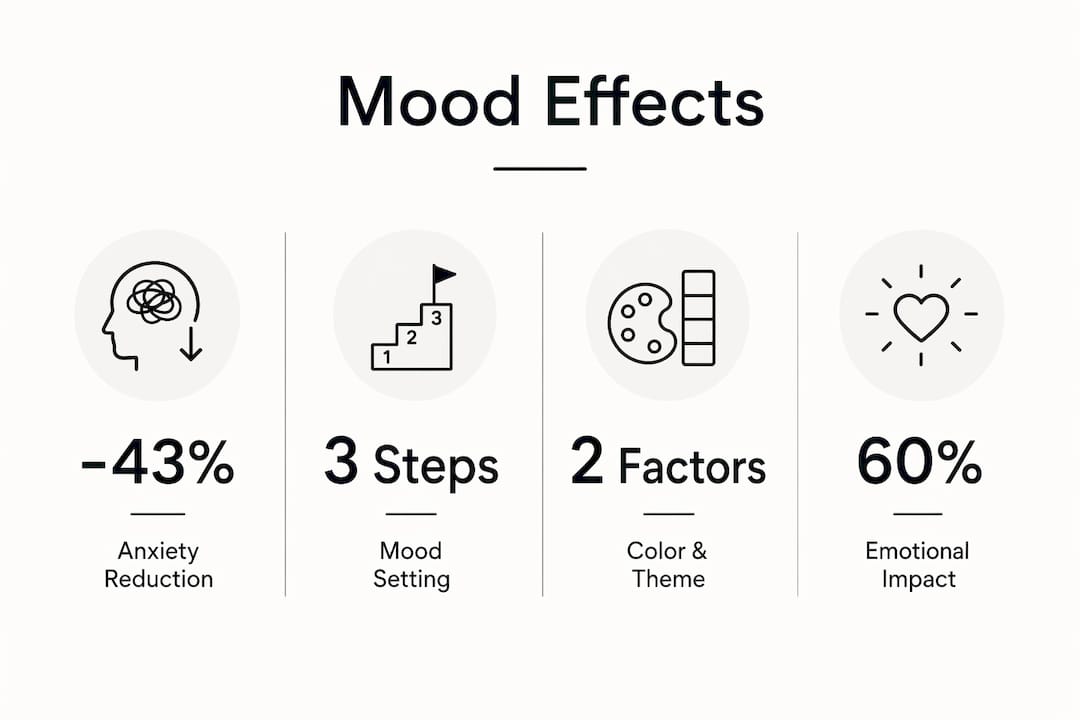
Viewing art reduces negative emotions. A meta-analysis on art appreciation found an anxiety reduction effect size of g = -0.434 for passive art viewing. Active art creation produced a stronger effect at g = -1.062. Both numbers confirm that engaging with art, even just looking at it, measurably lowers stress and anxiety.
The method of engagement matters. Passive viewing helps, but intentional observation produces stronger results. A study of 281 participants found that guided slow-looking at art significantly enhanced positive mood compared to simply glancing at a piece. Slow-looking means spending deliberate time with a single work, noticing its details, color shifts, and composition. This practice is especially effective for first-time viewers and requires no training.
“Effective mood setting through art requires consistent, cumulative engagement rather than relying on single impactful pieces. Arts engagement activates 50 interconnected causal mechanisms influencing mental health via behavioral patterns.” Source: Mechanisms underpinning mental health impact of arts engagement
This concept is called the “arts exposome.” It describes how repeated daily exposure to art builds cumulative emotional benefits over time. A single powerful canvas matters less than consistent visual engagement with art in your daily environment. This is why placing art in rooms you use every day, your bedroom, home office, or kitchen, produces more lasting mood benefits than reserving it for formal spaces.
| Engagement type | Anxiety reduction effect | Best use case |
|---|---|---|
| Passive art viewing | g = -0.434 | Daily ambient exposure in living spaces |
| Active art creation | g = -1.062 | Therapeutic or studio settings |
| Guided slow-looking | Significant positive mood increase | Intentional home practice, galleries |
| Repeated daily exposure | Cumulative mental health benefits | Art placed in high-traffic home areas |
How can you use canvas art to enhance ambiance in different rooms?
Every room has an emotional job. Rooms carry emotional functions that art can either support or undermine depending on your choices. Getting this right means thinking about what you want to feel in each space before you choose a piece.
Matching art to room function
The bedroom needs calm. Blue-green palettes with landscape or abstract themes lower visual stimulation and support rest. Avoid high-contrast, high-energy compositions in a space designed for sleep. The living room invites warmth and connection, so earthy tones with figurative or nature themes work well. The home office benefits from structural, geometric art that supports focus without creating visual noise.
Kitchens and dining areas respond well to warm, energetic palettes. A bold pop art canvas in a kitchen adds playfulness and appetite-stimulating energy. A graffiti street art canvas in a home studio or creative workspace signals creative permission and raises energy levels.
Using scale, contrast, and lighting
Scale affects emotional weight. A large canvas commands attention and sets the emotional tone for an entire wall. A small piece in the same space reads as an accent, not an anchor. For mood setting, go larger than feels comfortable. Art that fills your field of vision when you enter a room shapes your emotional state before you consciously register it.
Lighting changes how color reads on canvas. Warm incandescent light deepens reds and ambers while cooling blues slightly. Natural daylight reveals the full tonal range of a piece. Art lighting placement directly affects how the colors and textures of a canvas contribute to the room’s mood. A piece that feels energizing under gallery lighting may feel flat under a dim overhead bulb.
- Bedroom: Soft landscape or abstract art in blue, green, or lavender tones. Medium scale. Warm, diffused lighting.
- Living room: Figurative or nature themes in earthy or warm palettes. Large scale. Layered lighting with a focused picture light.
- Home office: Geometric or structural art in neutral or cool tones. Medium scale. Bright, natural-spectrum lighting.
- Kitchen or dining area: Bold pop art or graphic themes in warm, saturated colors. Small to medium scale. Warm overhead lighting.
Pro Tip: Rotate your canvas art seasonally. Swap a warm-toned piece for a cool landscape in summer and reverse it in winter. This keeps your emotional environment responsive to the season without repainting or redecorating.
What misconceptions about canvas art and mood setting should you avoid?
The most common mistake is choosing art that matches the room’s existing color scheme. Matching feels safe, but it produces visual monotony. A room where every element shares the same palette reads as flat and emotionally inert. Creative tension between art and room colors is what makes a space feel alive. A warm taupe room gains rhythm and energy from a cool, deep teal canvas. The contrast creates visual interest and emotional engagement.
- Myth: Art must match your walls. Contrast is a design tool, not a mistake. Designers deliberately use opposing color temperatures to create rooms that feel dynamic rather than static.
- Myth: One color equals one mood. Color’s emotional effect depends entirely on theme context. A yellow abstract and a yellow sunflower painting produce different emotional responses, even at the same saturation level.
- Myth: One powerful piece is enough. The arts exposome research shows that cumulative, daily exposure matters more than a single statement piece. Distribute art throughout your home, not just in the main room.
- Myth: Art is decoration, not function. A moody dark-toned seascape can shift a room’s emotional register from neutral to contemplative without changing a single piece of furniture. Art is the fastest way to change how a space feels.
The goal is not to match your art to your decor. The goal is to use art to tune the emotional register of your space. Those are two very different design intentions, and only one of them actually works.
Key takeaways
Canvas art shapes mood through the combined effect of color and theme, not through color alone, making intentional art selection the most direct way to change how a space feels.
| Point | Details |
|---|---|
| Color and theme work together | The TCE model shows that color’s emotional effect depends on the artwork’s theme, not color alone. |
| Landscape art leads in positive emotion | Natural landscape themes achieve a 67.3% positive emotional association rate, outperforming other themes. |
| Slow-looking amplifies mood benefits | Spending deliberate time with a canvas produces stronger positive mood effects than passive glancing. |
| Daily exposure builds lasting benefits | The arts exposome shows that consistent engagement with art creates cumulative mental health improvements. |
| Contrast beats matching | Creative tension between art and room colors produces more emotional engagement than color-matching. |
Art changed how I think about the spaces I live in
I used to treat wall art the way most people do: as the last thing you add after the furniture is in place. A piece that matched the sofa, a print that filled the empty wall. It looked fine. It did nothing.
What shifted my thinking was spending time in spaces where art was chosen for how it made people feel, not how it looked next to the couch. A single large canvas with a dark, moody seascape in an otherwise neutral room stopped me in the doorway. The room felt different before I could explain why. That is the emotional influence of canvas art working exactly as the research describes.
The practical lesson I took from that experience is this: art is the cheapest and fastest way to change the emotional character of a room. Repainting costs time and money. New furniture costs more. A well-chosen canvas costs a fraction of either and produces an immediate, measurable shift in how a space feels. The canvas art styles that work best are the ones chosen with emotional intent, not aesthetic habit. Start with the feeling you want, then find the art that delivers it.
— James
Bold art for spaces that need to feel like something
Luxuryartcanvas carries over 1,000 designs built for exactly this kind of intentional selection. Whether you want the contemplative weight of a dark seascape, the high-energy charge of graffiti canvas art, or the bold warmth of Chanel pop art, every piece is crafted in the USA with materials built to hold color and texture over time. The catalog covers graffiti, pop art, and luxury fashion-inspired designs, giving you the full range of emotional registers to work with. Browse the full collection and choose art that does something to the room, not just something for it.
FAQ
How does canvas art affect mood?
Canvas art affects mood through the combined effect of color and theme, which together trigger specific emotional associations. Research using the TCE framework shows this interaction predicts emotional response with 87.6% accuracy.
What type of canvas art is best for a calming bedroom?
Natural landscape themes with blue-green or soft earth palettes produce the strongest positive emotional associations, making them the most effective choice for a bedroom. These themes achieve a 67.3% positive emotional association rate in research studies.
Does the size of canvas art matter for mood setting?
Scale directly affects emotional impact. A large canvas that fills your field of vision when entering a room shapes your emotional state before you consciously register the image, making it a stronger mood-setting tool than a smaller accent piece.
Can canvas art reduce stress and anxiety?
Art viewing produces a measurable anxiety reduction effect. A meta-analysis found that passive art appreciation reduces anxiety with an effect size of g = -0.434, while active engagement with art produces an even stronger effect at g = -1.062.
Should canvas art match the room’s color scheme?
Art does not need to match the room’s existing colors. Design research shows that creative tension between contrasting art and room colors produces more emotional engagement and visual energy than color-matching, which tends to flatten a space’s emotional character.
What Is Bespoke Wall Decor? A Homeowner's Guide
Decorating Studio Apartments with Large Canvases