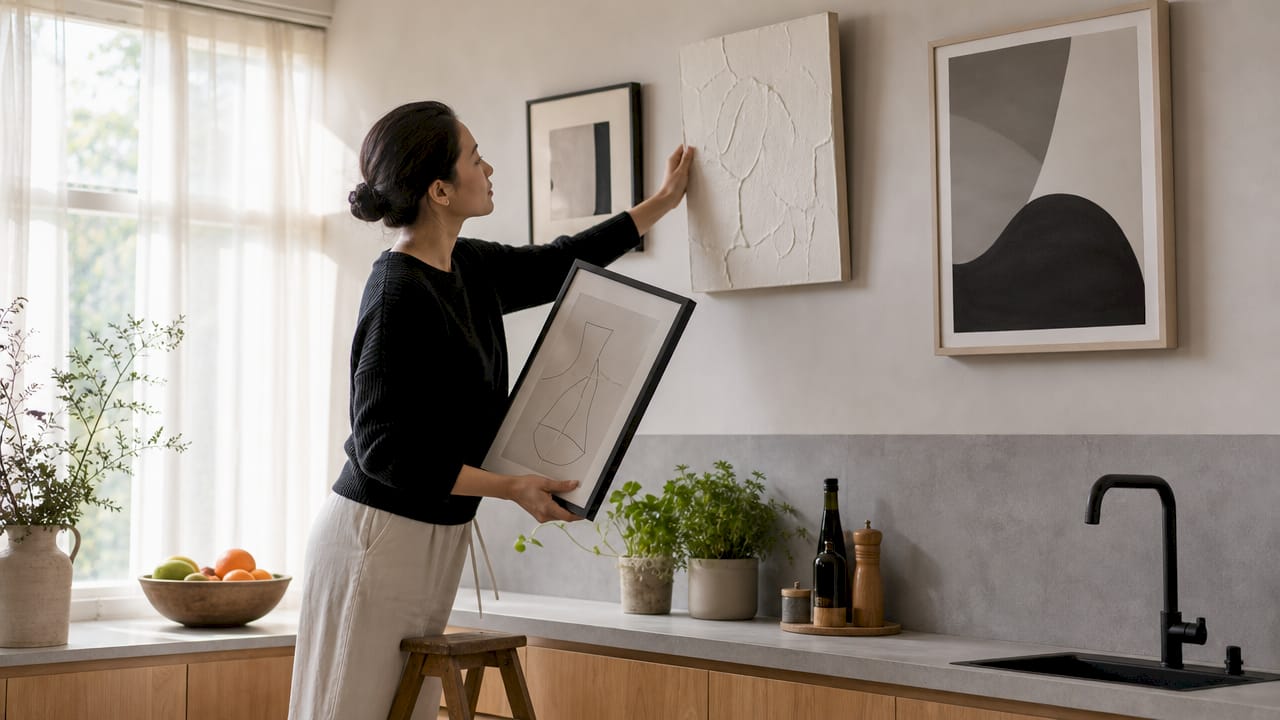
Modern wall art styles are defined forms of visual decor that shape the personality of a living space through color, texture, form, and composition. The types of modern wall art styles available today span textured 3D canvases, abstract subtypes, minimalist graphics, pop art, and sculptural metal or wood pieces. Each category carries a distinct visual language and suits different rooms, budgets, and design preferences. Knowing which style fits your space is the fastest way to make a room feel intentional rather than accidental. Luxuryartcanvas offers over 1,000 designs that cover nearly every category covered here.
1. What are the key types of modern wall art styles?
The most recognized contemporary wall art styles fall into five broad categories: textured and 3D art, abstract art, minimalist art, pop art and graffiti, and sculptural metal or wood art. Each one creates a different visual effect and works best in specific contexts.
Textured and 3D wall art
Textured wall art includes palette-knife abstracts, plaster-style relief textures, and mixed-media built-up pieces. These formats add physical dimension to a flat wall, which no print or photograph can replicate. The result is a piece that changes appearance as light shifts throughout the day. Palette-knife canvases, where paint is applied with a flat blade rather than a brush, create ridges and peaks that catch natural light in a way that feels almost architectural.
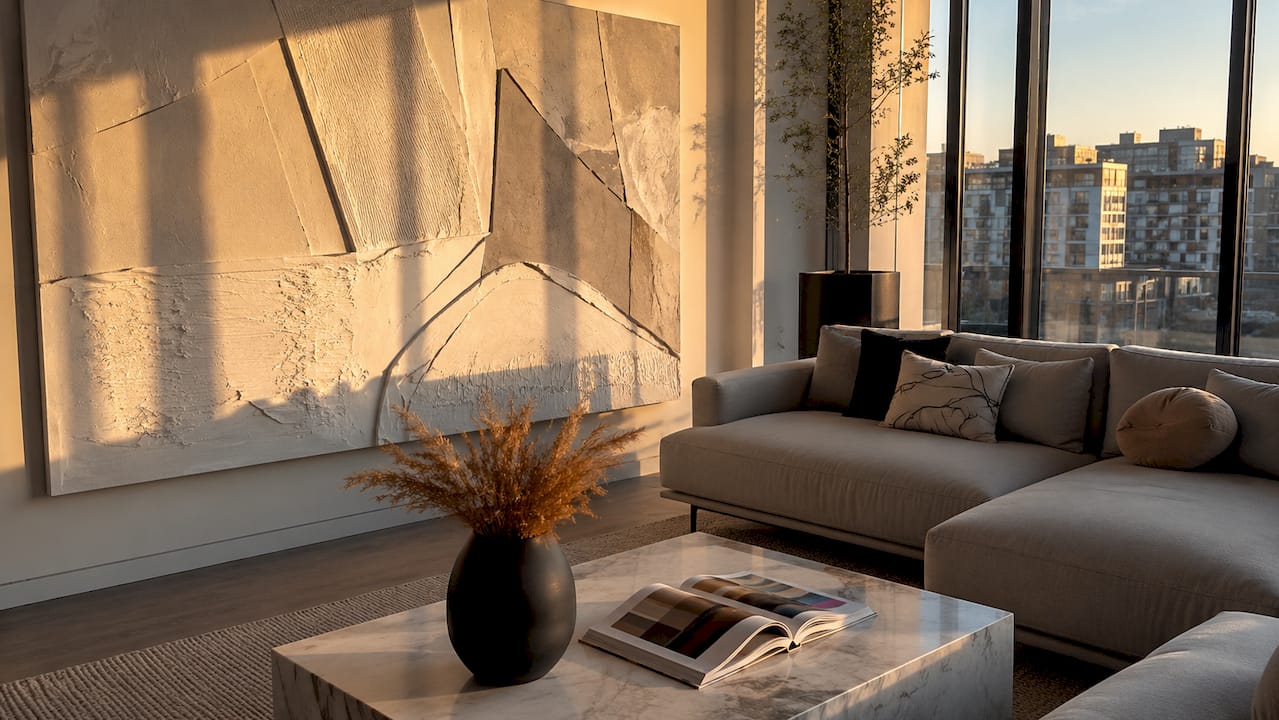
Pro Tip: Place a textured canvas near a window or directional lamp. Side lighting amplifies the dimensional effect and makes the piece look dramatically different morning versus evening.
Abstract art subtypes
Abstract art breaks into three subtypes: gestural or expressive, geometric or structural, and lyrical or color-field. Each subtype uses line, color, shape, texture, space, and composition differently. Gestural abstracts feel energetic and spontaneous, with visible brushwork and movement. Geometric abstracts use hard edges and repeating shapes to create order and precision. Color-field pieces rely on large areas of flat color to produce mood and atmosphere without any representational imagery.
Abstract art emphasizes visual pressure, balance, and tempo through composition rather than depicting recognizable subjects. That structural quality means a well-chosen abstract piece can set the entire emotional tone of a room.
Minimalist art
Minimalist wall art uses continuous line portraits, monochromatic palettes, and architectural sketches to create calm, restrained aesthetics. The defining feature is intentional restraint: fewer elements, limited color, and clean compositions. A single continuous line portrait of a face, drawn without lifting the pen, communicates elegance through simplicity. Minimalist drawing wall art works especially well in home offices, bedrooms, and bathrooms where visual noise competes with focus or rest.
Pop art and graffiti-inspired art
Pop art and graffiti canvas styles bring vibrant color and urban energy to any space. Pop art draws from advertising, celebrity culture, and consumer goods, using bold outlines and saturated colors. Graffiti-inspired pieces carry the visual vocabulary of street culture: spray-paint textures, layered lettering, and high-contrast imagery. Both styles work well in spaces where the goal is energy and personality rather than calm.
Metal and wood sculptural wall art
Metal sculptures use clean geometry, while carved wood panels bring modern lines and organic warmth. These pieces function as both art and architectural detail. A brushed steel geometric panel reads as modern and industrial. A carved walnut relief reads as warm and artisanal. Both add material contrast that paint or canvas alone cannot provide.
2. How do different modern wall art styles suit various interior spaces?
Matching art style to room type is the single most overlooked step in modern home decor. The wrong style in the right room creates visual conflict. The right style in the right room feels effortless.
| Art Style | Best Interior Match | Room Application |
|---|---|---|
| Textured 3D art | Minimalist, Japandi, Wabi-Sabi, organic modern | Living room feature wall, entryway |
| Gestural abstract | Open-plan layouts, contemporary loft spaces | Above sofa, dining room focal wall |
| Geometric abstract | Mid-century modern, Scandinavian, industrial | Home office, hallway |
| Minimalist line art | Calm bedrooms, home offices, spa bathrooms | Above bed, desk area |
| Pop art and graffiti | Creative studios, game rooms, urban apartments | Accent walls, entertainment areas |
| Metal and wood sculptural | Contemporary luxury, industrial, transitional | Living room, foyer, dining room |
Textured 3D canvases in neutral palettes of white, beige, gray, and black fit Japandi and Wabi-Sabi interiors particularly well. These design philosophies value imperfection and material honesty, and a plaster-relief canvas speaks that same visual language. Large-scale abstract art grounds open layouts by creating a single focal point and establishing visual rhythm across a wide space. Without that anchor, open-plan rooms feel unfinished regardless of how well the furniture is arranged.
Minimalist art suits spaces where calm is the priority. A monochromatic line drawing above a bed signals rest. A bold graffiti canvas in the same spot would do the opposite. Pop art and graffiti pieces belong in rooms built for energy: creative studios, home gyms, entertainment rooms, and urban apartments where the design brief is personality over serenity.
Pro Tip: For rooms with high ceilings, use vertical format art. Vertical pieces draw the eye upward and make the ceiling feel intentional rather than overwhelming.
3. How to select and arrange modern wall art styles effectively
Selecting wall art without measuring first is the most common mistake homeowners make. Size is the foundation of every successful art placement decision.
- Match width to furniture. For bedroom art above a headboard, the artwork width should match the bed width. A queen bed calls for art that spans roughly 60 inches wide, whether as a single piece or a grouped arrangement.
- Use the two-thirds rule for sofas. Art hung above a sofa should span roughly two-thirds of the sofa’s width. This creates proportion without the art appearing to float or crowd the furniture.
- Hang at eye level. The center of the artwork should sit at approximately 57–60 inches from the floor. This is the standard gallery height and feels natural to the human eye.
- Build gallery walls on irregular surfaces. Gallery walls fit irregular walls and staircase runs better than single large pieces. Mix frame sizes but keep a consistent mat color or frame finish to hold the arrangement together visually.
- Combine art types with intention. Pairing a textured 3D piece with a minimalist line drawing works when both share a color palette. The contrast in texture becomes a feature rather than a conflict.
Color coordination matters as much as size. A geometric abstract in navy and terracotta will anchor a room built around those tones. The same piece in a room of soft grays and whites creates visual tension. Pull at least one color from your existing decor into the art selection, and the piece will feel like it belongs rather than like an afterthought.
Pro Tip: Before buying, tape paper cutouts of the intended art dimensions to the wall. Live with the proportions for a day before committing. What looks right in a product photo often reads differently at scale in your actual room.
4. Comparing popular modern wall art styles side by side
| Art Style | Texture Level | Color Impact | Best Room Size | Visual Feel |
|---|---|---|---|---|
| Textured 3D canvas | High | Low to medium (neutral) | Any | Tactile, architectural, quiet luxury |
| Gestural abstract | Low to medium | High | Large rooms | Energetic, expressive, bold |
| Geometric abstract | Low | Medium | Medium to large | Structured, modern, precise |
| Minimalist line art | None | Very low | Small to medium | Calm, elegant, restrained |
| Pop art and graffiti | Low | Very high | Any | Vibrant, urban, personality-driven |
| Metal and wood sculptural | Very high | Low to medium | Medium to large | Material-rich, contemporary luxury |
The most versatile style for homeowners who want broad appeal is minimalist art. It works across room sizes, suits nearly every design theme, and rarely conflicts with existing decor. The highest-impact style for a single statement wall is pop art or graffiti, which delivers color and personality in a way no other format matches. Textured 3D art occupies a unique position: it reads as quiet and neutral in color but delivers maximum visual interest through physical dimension. For homeowners who want art that rewards close inspection, 3D textured canvas decor is the strongest choice in 2026.
Key takeaways
The most effective approach to choosing modern wall art is matching the style’s visual structure to your room’s existing rhythm, size, and color palette.
| Point | Details |
|---|---|
| Match style to room function | Minimalist art calms bedrooms; pop art energizes creative and entertainment spaces. |
| Size before style | Art width should relate to furniture scale; use the two-thirds rule above sofas. |
| Texture adds dimension | Palette-knife and plaster-relief canvases change appearance with shifting light. |
| Abstract has three subtypes | Gestural, geometric, and color-field abstracts each create a different emotional tone. |
| Combine types with a shared palette | Mixing textured and minimalist pieces works when both share at least one color. |
What I’ve learned about choosing wall art that actually works
Most homeowners treat wall art as the last decision in a room, something to fill empty space after the furniture is placed. That approach almost always produces results that feel disconnected. The art looks like it was added rather than considered.
The rooms that feel genuinely well-designed treat art as a structural element, not decoration. The wall art is chosen before the throw pillows and the accent rug, not after. When you start with the art, every other soft furnishing decision becomes easier because you have a color and texture anchor to work from.
The style I see most underused is textured 3D art. Homeowners gravitate toward prints because they are familiar and easy to shop. But a palette-knife canvas or a plaster-relief piece does something a print cannot: it creates a physical presence that changes the feeling of a room rather than just its appearance. If you have a minimalist or Japandi interior and the space feels flat despite good furniture, a single neutral 3D canvas will solve the problem faster than any other single change.
Abstract art is worth more experimentation than most homeowners give it. The visual systems in abstract art are not random. A gestural abstract with diagonal movement creates energy. A color-field piece with horizontal bands creates calm. Once you understand that structure, you can choose abstract pieces the same way you choose any other design element: by function, not just by preference.
— James
Bold, curated wall art collections at Luxuryartcanvas
Luxuryartcanvas brings together the styles covered in this article under one roof, with over 1,000 designs crafted in the USA on high-quality canvas materials. The collection spans Louis Vuitton wall art with luxury fashion-inspired designs, graffiti canvas wall art for bold urban statements, and minimalist art prints for clean, restrained spaces.
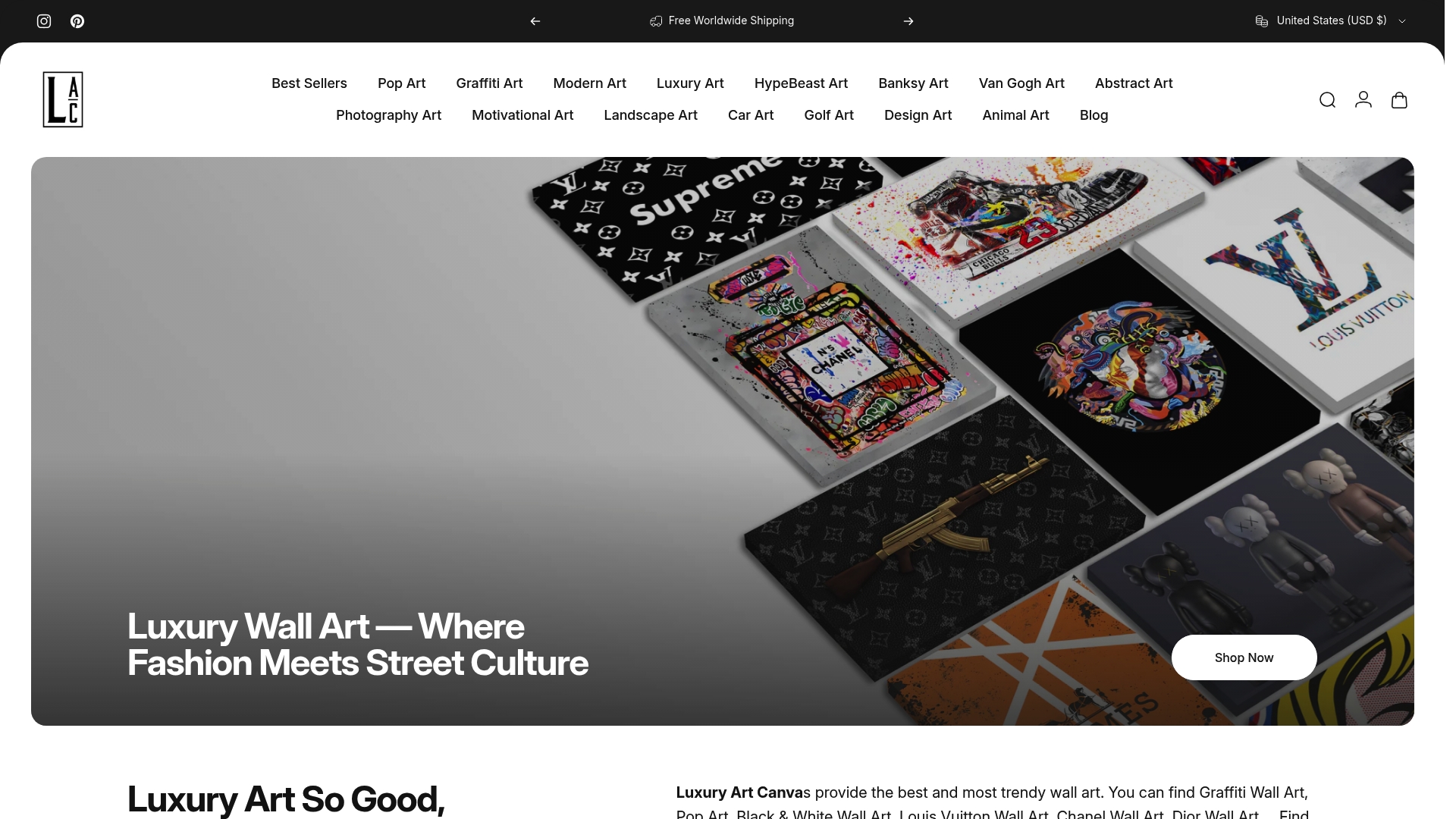
More than 10,000 satisfied customers have used Luxuryartcanvas pieces to make strong aesthetic statements in homes, apartments, and commercial spaces. Whether you are drawn to the quiet luxury of a neutral 3D canvas or the high-energy color of a Chanel art print, the catalog covers every style and room type discussed here. Each piece ships ready to hang, so the gap between choosing and displaying is as short as possible.
FAQ
What are the most popular modern wall art styles right now?
Textured 3D canvases, minimalist line art, and pop art are among the most popular contemporary wall art trends in 2026. Abstract art in gestural and geometric subtypes also remains a strong choice for open-plan and contemporary interiors.
How do I choose wall art styles for a small room?
Minimalist art with a limited color palette works best in small rooms because it adds visual interest without crowding the space. Vertical format pieces also draw the eye upward, making ceilings feel higher.
Can I mix different wall art styles in one room?
Mixing styles works well when the pieces share at least one color or a consistent frame finish. Pairing a textured canvas with a minimalist line drawing, for example, creates contrast in form while maintaining visual cohesion through a shared palette.
What size wall art should I use above a sofa?
Art above a sofa should span roughly two-thirds of the sofa’s width. A single large piece or a grouped arrangement of smaller pieces both work, provided the total width follows that proportion.
What wall art style suits a home office best?
Minimalist wall art suits home offices best because its clean compositions and limited color reduce visual distraction. Geometric abstracts are a strong second choice, adding structure and focus without introducing the energy of gestural or pop art styles.
What Is Statement Wall Art? Your Complete Design Guide
Wall Art in Client-Facing Spaces: A 2026 Design Guide