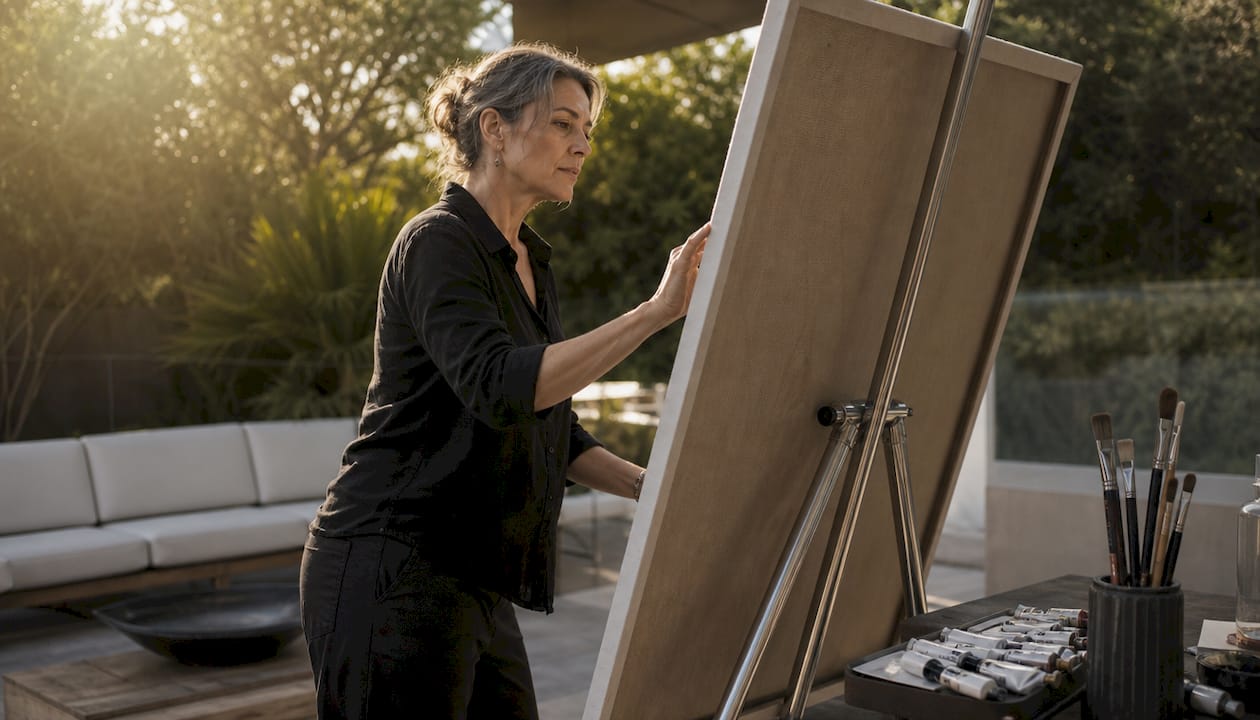
Premium canvas materials are defined as woven fabric supports, prepared with sizing and ground layers, that provide the structural and chemical foundation for lasting, expressive paintings. The role of premium canvas materials in art goes far beyond a simple surface to paint on. Fiber type, canvas weight, weave texture, and priming method each shape how paint behaves, how colors read, and how long a work survives. Artists who understand these variables make better decisions at every stage of a project. Whether you work in oils, acrylics, or mixed media, the canvas you choose is the first and most consequential material decision you will make.
How do premium canvas materials affect artwork quality?
Canvas quality determines paint adhesion, color vibrancy, and structural longevity. A poorly chosen support causes cracking, sagging, and color shift within years. A well-chosen one can outlast the artist by generations. Indoor canvas prints made with archival materials can last 100–200 years when shielded from direct UV exposure. That figure is not a marketing claim. It reflects what happens when fiber, ground, and coating work together as a system.
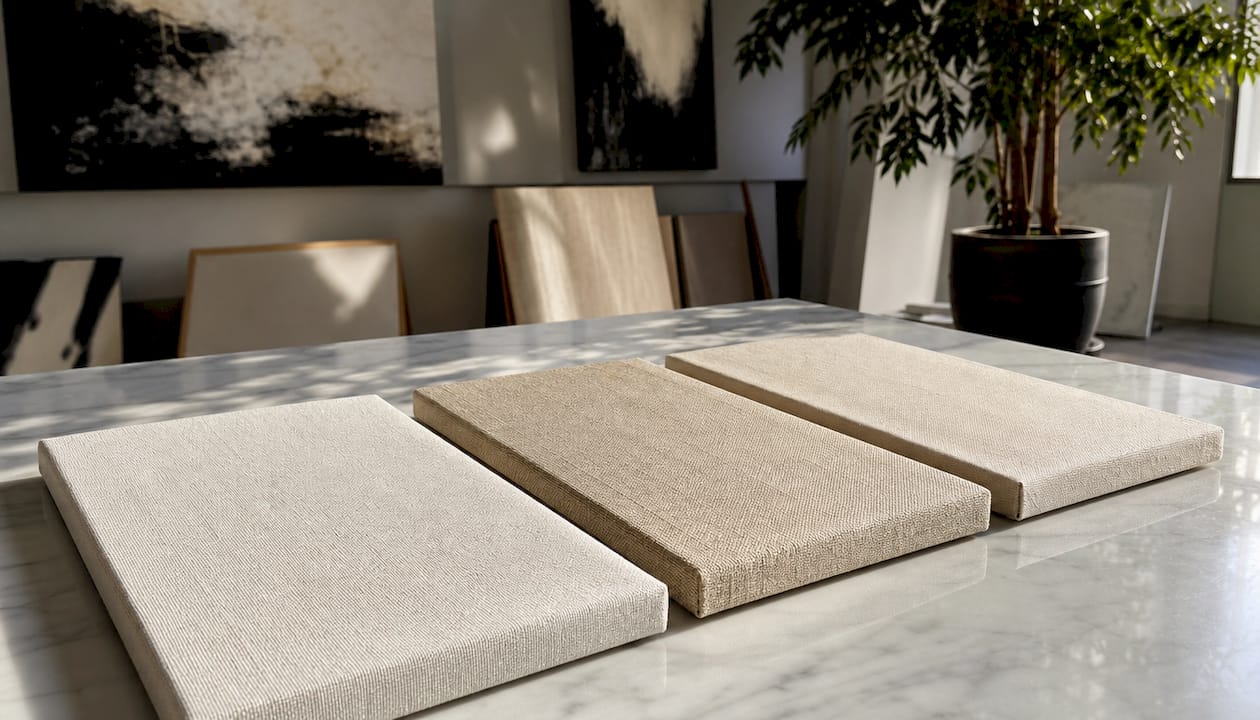
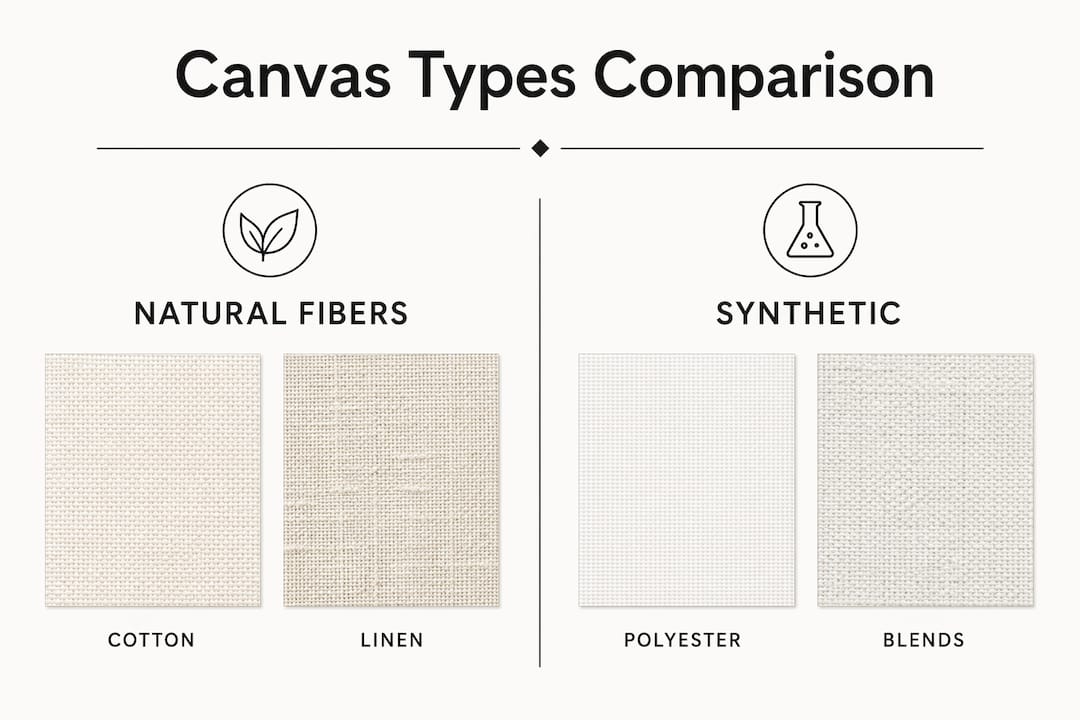
The three primary art canvas material types are cotton, linen, and synthetic blends. Each performs differently under paint, responds differently to humidity, and ages at a different rate. Knowing which fiber suits your technique is the starting point for any serious painting practice.
What are the differences between cotton, linen, and synthetic canvas?
Cotton canvas
Cotton is the most widely used canvas fiber in the world. It is affordable, easy to stretch, and available in a range of weights. Standard cotton duck canvas is breathable and accepts gesso well. The trade-off is durability. Cotton duck loses 15–20% of mechanical tension within 72 hours after stretching, requiring re-keying to restore proper tension. That tension loss is not a defect. It is a known property of the fiber, and artists who work with cotton need to account for it.
Linen canvas
Linen is the archival standard for professional oil painters. Its fibers are longer, denser, and more resistant to chemical degradation than cotton. Belgian linen exhibits 42% higher tensile strength retention over a 50-year accelerated aging cycle compared to standard 8 oz cotton duck. That gap widens as the decades pass. Linen also has a natural tooth that holds paint without excessive gesso buildup. The downside is cost. Linen runs significantly more expensive than cotton, which makes it a budget consideration for students and high-volume painters.
Synthetic and blended canvas
Polyester and cotton-polyester blends offer climatic stability that neither pure fiber can match. Synthetic fibers do not expand and contract with humidity changes the way natural fibers do. This makes them well suited for artists working in environments with variable temperature and moisture. They are also resistant to mold and biological degradation. The surface texture of synthetics tends to be more uniform, which some artists find limiting for expressive work.
| Fiber | Strength | Texture | Best use |
|---|---|---|---|
| Cotton | Moderate | Medium grain | Student work, practice, acrylics |
| Linen | High | Fine to medium | Professional oils, archival work |
| Synthetic | Stable | Uniform | Mixed media, humid environments |
Pro Tip: If you are working on a piece intended to last decades, start with linen. If you are practicing technique or working at high volume, quality cotton duck is a practical and cost-effective choice.
While linen offers archival superiority, cotton remains popular due to affordability and ease of stretching. The choice depends on your artistic goals and budget, not on a single correct answer.
How does canvas weight and weave texture affect painting?
Canvas weight is measured in ounces per square yard (oz) or grams per square meter (GSM). These numbers tell you how much fabric mass is present per unit of surface area. More mass means more structural support and less flex under heavy paint applications.
- Lightweight canvas (under 200 GSM): Suited for practice, watercolor-style washes, and thin acrylic layers. Prone to sagging under heavy mediums.
- Midweight canvas (200–350 GSM): The standard range for most studio painting. Handles oil and acrylic well with proper priming.
- Heavyweight canvas (350–450 GSM): Recommended for large works, impasto technique, and mixed media. Canvas weights of 350–450 GSM prevent sagging in large formats, and a 12 oz canvas supports up to 3.5 pounds of paint mass per square foot. That load capacity matters when you are building up thick texture layers.
Weave texture is a separate but equally important variable. Canvas grain choice is the artist’s first creative decision, matching weave texture to painting style for optimal detail or expressive effects. A superfine, tightly woven surface suits portrait work and delicate detail. A medium grain works for most general painting. A coarse weave enhances bold brushstrokes and adds visual energy to expressive or abstract work.
The grain of the canvas becomes part of the painting. In thin, glazed oil work, a coarse weave shows through every layer and creates an unintended texture. In thick impasto work, a superfine surface offers no grip and can cause paint to slide. Matching weave to technique is not a preference. It is a technical requirement.
Pro Tip: Order small sample swatches of different canvas weights and weaves before committing to a large format. Paint a test patch on each one. The difference in how paint sits and moves will be immediately obvious.
Why does priming matter for high-quality canvas painting?
Priming is not surface preparation. Priming is a necessary chemical shield that prevents oil paint binders from damaging cellulose fibers over time. Raw canvas and oil paint are chemically incompatible. The oxidation of linseed oil releases free fatty acids that cleave cellulose bonds in cotton, accelerating fiber degradation. Without a barrier layer, the canvas rots from within.
The correct priming sequence for oil painting on cotton or linen starts with a PVA size or rabbit skin glue layer. This seals the fiber and blocks acid migration. The recommended dry film thickness for an archival ground is 150–200 microns. Below that threshold, the chemical barrier is insufficient for long-term protection.
For acrylic painters, the requirements differ:
- Acrylic gesso provides the mechanical tooth that acrylic paint needs to grip the surface.
- Acrylic gesso blocks Support Induced Discoloration (SID), a yellowing effect caused by canvas compounds migrating into paint layers.
- Multiple thin coats of gesso, sanded between applications, produce a more consistent surface than a single thick coat.
- Oil-primed linen is the traditional choice for oil painters who want maximum surface hardness and a slightly absorbent ground.
Proper priming also affects color vibrancy. A bright white ground reflects light back through transparent paint layers, intensifying color saturation. A toned or colored ground absorbs light and creates a different visual depth. Both are valid choices, but they produce measurably different results.
What canvas format is best for different painting styles?
Canvas format refers to the physical structure of the support, not the fiber or weight. The three main formats are stretched canvas, canvas panels, and raw canvas rolls. Each has distinct advantages depending on how you work.
| Format | Structure | Best for | Limitation |
|---|---|---|---|
| Stretched canvas | Fabric over wood frame | Studio painting, display-ready work | Tension decay, bounce under pressure |
| Canvas panel | Fabric glued to rigid board | Detail work, plein air, transport | Less suitable for very large formats |
| Raw canvas roll | Unprimed fabric by the yard | Large-scale work, custom sizing | Requires stretching and priming |
Rigid canvas panels glued to MDF or cardboard eliminate fabric bounce, making them ideal for detailed, precise brushwork and convenient transport for plein air artists. The absence of flex means every brushstroke lands exactly where you place it, with no spring-back from the support.
Stretched canvas remains the standard for studio work and gallery display. The frame material matters more than most artists realize. Stretcher bars made from tulipwood provide greater dimensional stability and resist warping compared to common pine. Tulipwood is a knot-free hardwood that holds tension more consistently across seasons. Pine bars are cheaper but more prone to bowing in humid conditions.
Raw canvas rolls give large-scale painters the most flexibility. You cut to the size you need, stretch to your own specifications, and prime to your own standard. The upfront investment in skill pays off in cost savings and creative control.
Key Takeaways
The canvas you choose determines not just how your painting looks today, but whether it survives the next century intact.
| Point | Details |
|---|---|
| Fiber type sets the foundation | Linen offers 42% higher tensile strength retention than cotton over 50 years, making it the archival standard. |
| Weight must match technique | Use 350–450 GSM canvas for large or impasto work to prevent sagging under heavy paint loads. |
| Weave texture is a creative tool | Match superfine weaves to detail work and coarse weaves to expressive, bold brushstroke styles. |
| Priming is a chemical necessity | A 150–200 micron archival ground blocks acid migration from oil paints and prevents fiber degradation. |
| Format affects brushwork precision | Rigid canvas panels eliminate bounce and suit detailed work; stretched canvas suits studio and display use. |
What I have learned from years of watching artists choose the wrong canvas
Artists consistently underestimate how much the canvas itself contributes to the final result. I have seen technically skilled painters produce work that aged badly within a decade, not because of poor technique, but because they painted on raw cotton with no size layer and cheap pine stretcher bars. The painting looked fine at the opening. Five years later, the fibers were brittle and the bars had warped.
The most common mistake I see is treating canvas as a commodity. Artists spend hours researching pigments and mediums, then grab whatever canvas is cheapest. That logic is backward. The canvas is the only part of the painting that touches every layer of paint. If it fails, everything above it fails too.
My honest recommendation is to think about canvas selection the way you think about canvas quality in fine art: as a long-term investment in the work, not an afterthought. Start with the question of how long you want the painting to last. If the answer is “as long as possible,” that answer points directly to linen, proper sizing, archival gesso, and tulipwood bars. If you are practicing technique and longevity is not the priority, quality cotton duck with a good gesso is entirely sufficient.
The other thing I would say is this: test before you commit. Order a range of canvas samples, prime them consistently, and paint the same subject on each one. The differences in paint handling, texture, and color response will tell you more than any article can. Your hand knows things your eyes do not.
— James
Luxuryartcanvas: premium canvas art crafted for lasting impact
Luxuryartcanvas builds every piece on the same principles this article covers: quality materials, archival preparation, and surfaces that hold color and structure for years. Each canvas is crafted in the USA with high-quality materials chosen for durability and visual impact.
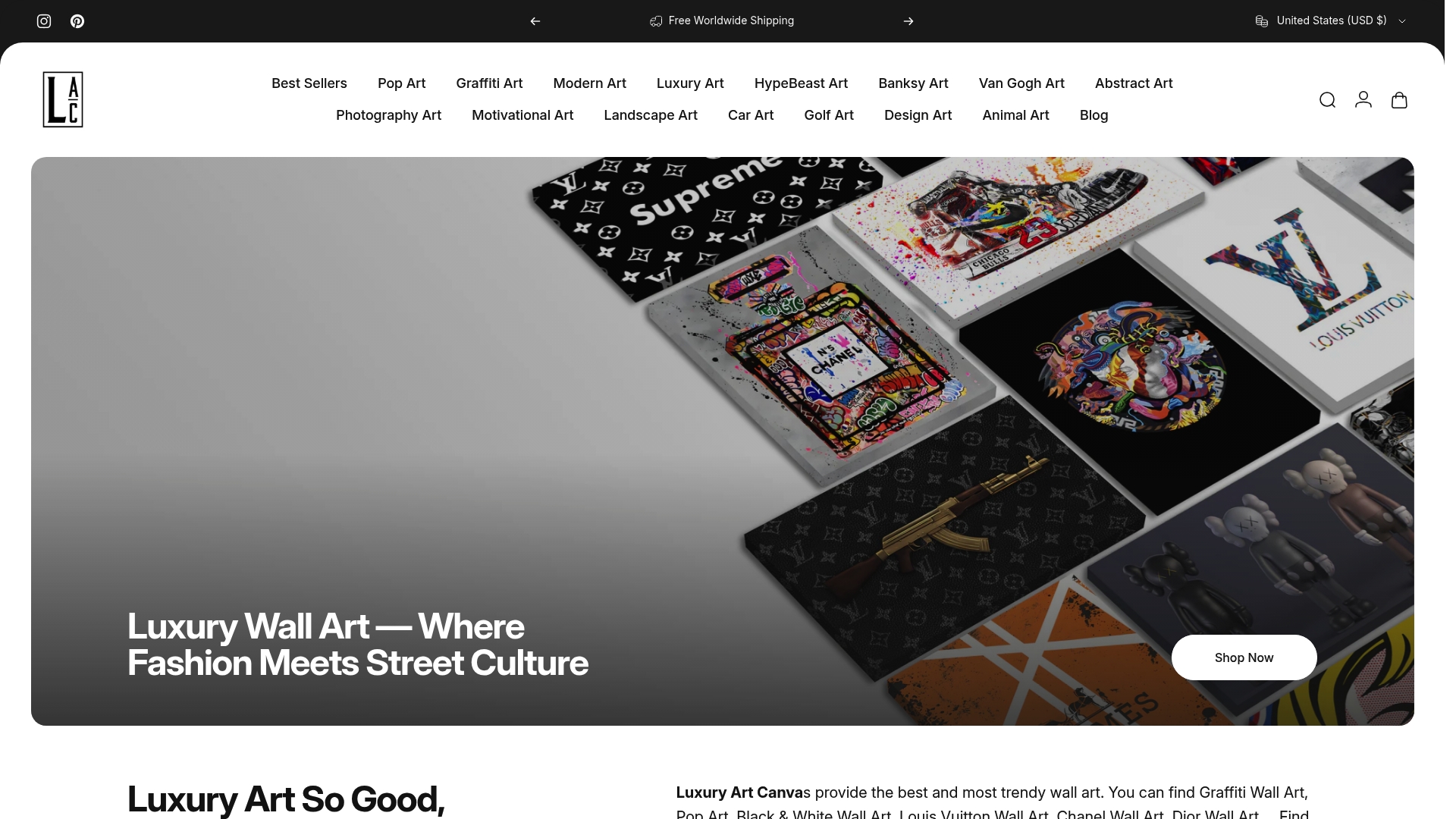
The collection spans bold graffiti canvas wall art and pop art canvas designs drawn from iconic fashion and street culture. With over 1,000 distinct designs and more than 10,000 satisfied customers, Luxuryartcanvas delivers gallery-grade results for homes, studios, and commercial spaces. Every piece arrives ready to hang, backed by the material standards that make premium canvas worth owning.
FAQ
What fiber is best for professional oil painting?
Linen is the professional standard for oil painting. Belgian linen retains 42% more tensile strength than cotton duck over a 50-year aging cycle, making it the most archivally stable choice.
How does canvas weight affect my painting technique?
Heavier canvas (350–450 GSM) resists sagging under thick paint and supports impasto and mixed media work. Lighter weights suit thin washes and practice but can deform under heavy mediums.
Do I need to prime a pre-primed canvas?
Pre-primed canvases are ready for acrylic use, but oil painters should add a PVA size layer before painting to block acid migration from linseed oil into the canvas fibers.
What is Support Induced Discoloration (SID)?
SID is a yellowing effect caused by canvas compounds migrating into acrylic paint layers. Acrylic gesso blocks this process and maintains the surface’s original appearance over time.
Does the stretcher bar material really matter?
Tulipwood stretcher bars resist warping and hold tension more consistently than pine, especially in humid environments. The frame material directly affects how long a stretched canvas stays flat and taut.
Making Small Rooms Feel Bigger with Wall Art
Styling Entryways with Oversized Wall Art That Wows