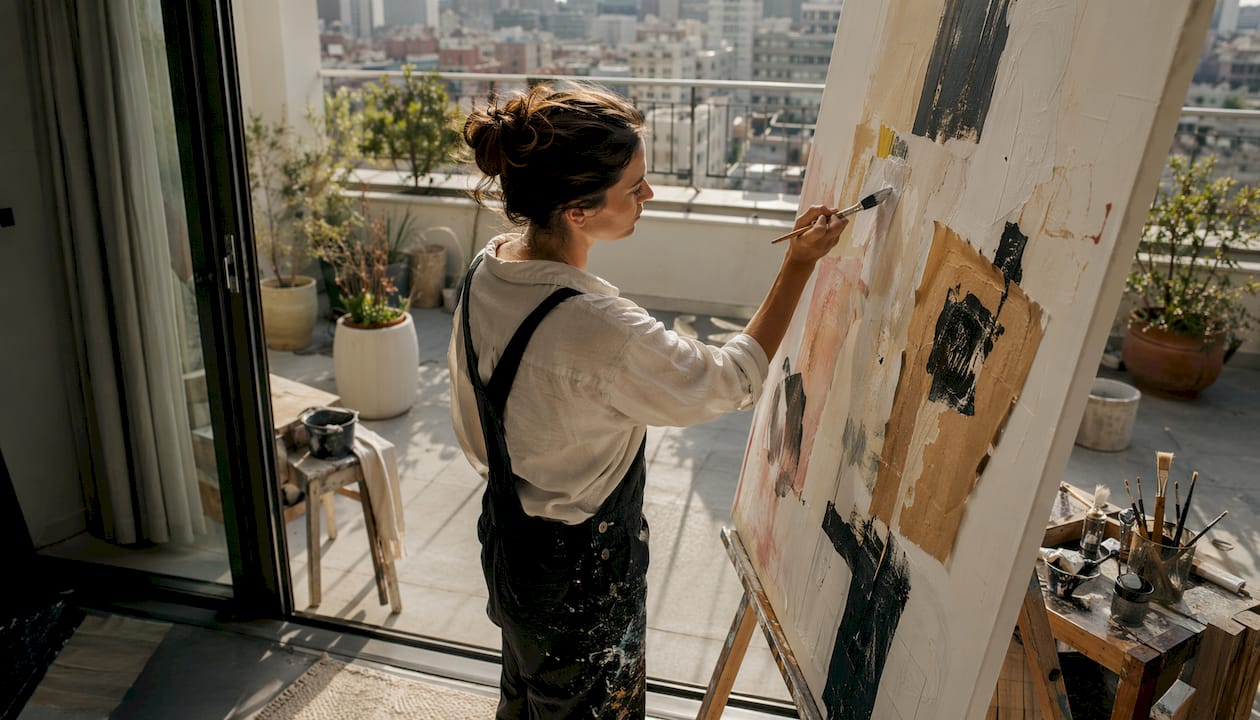
Mixed media canvas art is defined as the practice of combining two or more distinct physical art mediums on a single canvas surface to create layered, textured works. This definition separates it from multimedia art, which incorporates sound, video, or digital interactivity. Understanding mixed media means recognizing the creative freedom it offers: you can pair acrylic paint with charcoal, collage paper with ink, or found objects with pastel on one unified surface. Whether you are exploring canvas art styles for the first time or looking to deepen your practice, this guide covers the materials, techniques, and visual strategies that make mixed media work.
What is mixed media canvas art, and how does it differ from multimedia?
Mixed media canvas art combines two or more physical mediums on a single surface, focusing on physical and visual layering rather than digital or electronic elements. Multimedia art, by contrast, incorporates sound, video, or interactive technology. That distinction matters because it defines the tools, the process, and the final object you create.
The definition of mixed media art also separates it from single-medium painting. A pure oil painting uses one medium. A mixed media canvas might layer acrylic paint, torn magazine pages, charcoal marks, and a wash of diluted ink on the same surface. Each material contributes its own texture, opacity, and visual weight.
This layered quality is what makes mixed media so compelling for home decor. A finished piece carries depth you simply cannot achieve with one medium alone. The surface rewards close inspection, revealing materials and marks that shift as the light changes.
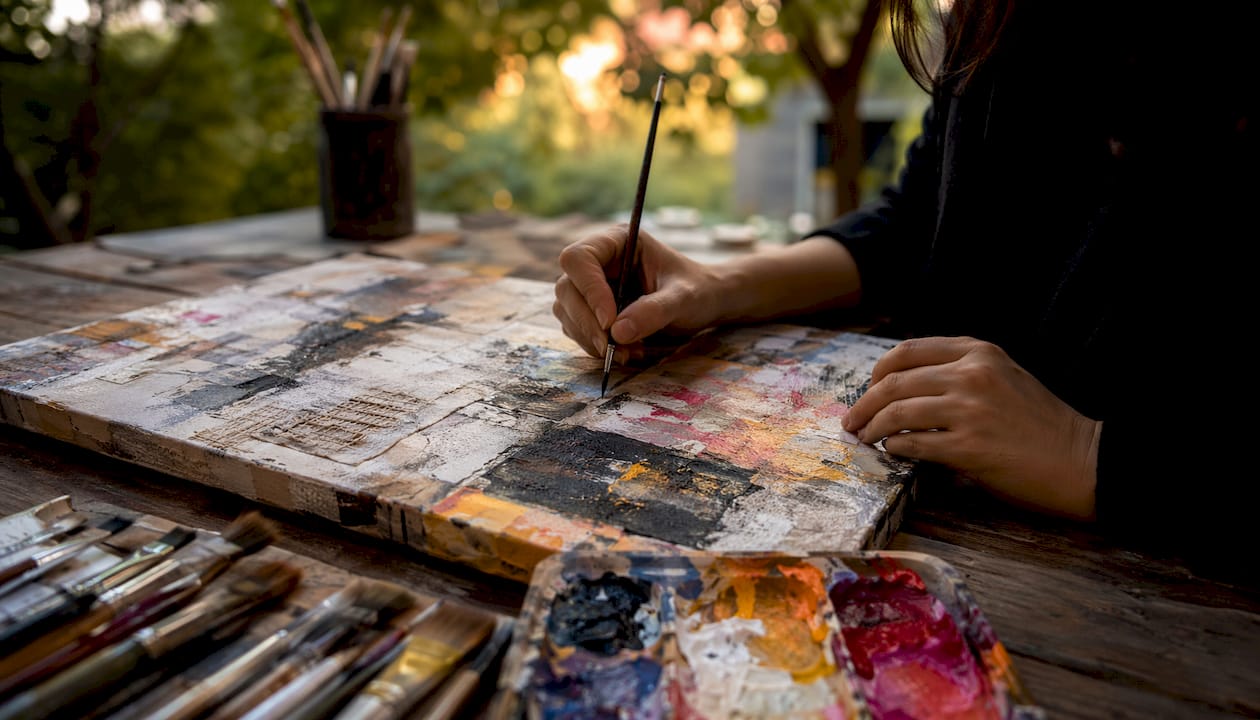
What supplies do you need to start creating mixed media art?
A beginner’s toolkit for mixed media canvas art typically costs between $50 and $150, depending on whether you choose student-grade or professional-grade materials. That range is wide enough to get started without a major investment, yet flexible enough to grow with your skills.
The core supplies fall into two categories: wet mediums and dry tools.
Wet mediums:
- Acrylic paints (student grade works fine to start)
- White gesso as a primer to prepare the canvas surface
- Matte gel medium as an adhesive for collage elements
- Inks and watercolor washes for transparent layers
Dry tools:
- Graphite pencils and charcoal sticks for mark-making
- Oil pastels and soft pastels for color and texture
- Collage papers, including tissue paper, book pages, and patterned scrapbook sheets
- Found objects like fabric scraps, dried botanicals, or thin cardboard
Gesso is the one supply you should never skip. It seals the canvas, prevents paint from soaking unevenly into the fibers, and creates a consistent surface for both wet and dry media. Matte gel medium does double duty as an adhesive and a sealant, making it far more useful than basic school glue.
Pro Tip: Buy one quality brush set and one quality tube of each primary color before buying specialty items. Mastering a small palette teaches you more than owning every color on the shelf.
Choosing premium canvas materials from the start reduces frustration. Cheap canvases warp under wet media, and thin surfaces buckle when you apply collage layers with adhesive.
What are the key mixed media art techniques for canvas?
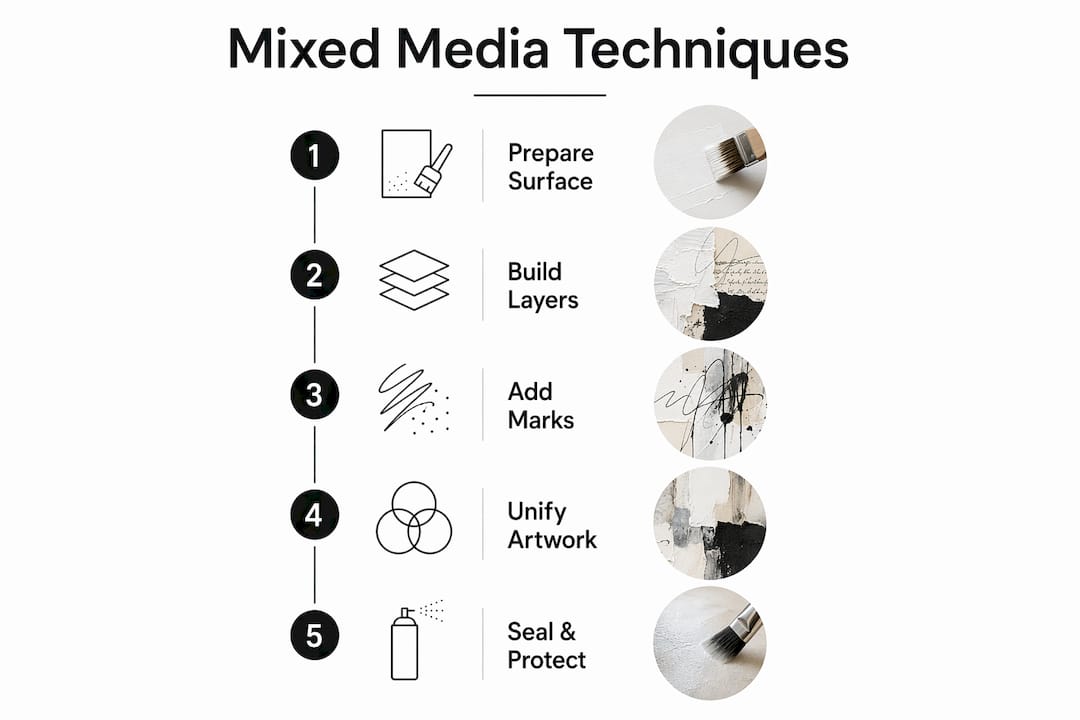
Mixed media art techniques follow a logical progression from ground preparation to final sealing. Skipping steps in that sequence creates problems that are hard to fix later. The four techniques below form the foundation of most mixed media canvas work.
-
Layering from ground up. Start with a gesso-primed canvas. Apply your first layer of paint or collage, let it dry fully, then add the next layer. Layering transparent washes over textured areas allows lower layers to show through subtly, creating depth without covering your earlier work.
-
Collage and assemblage. Tear or cut paper, fabric, or thin found objects and adhere them with matte gel medium. Press firmly and let dry before painting over them. Assemblage takes collage further by incorporating three-dimensional objects like buttons, wire, or small tiles directly onto the canvas surface.
-
Mark-making with wet and dry tools. Draw into wet paint with a pencil or charcoal stick. Drag a dry pastel across a textured collage surface. These marks create visual tension between the smooth painted areas and the rough, physical texture of the collage beneath.
-
“Sneaky layers” for unity. Apply thin, transparent washes over textured areas to soften harsh edges and blend disparate elements. This technique prevents collage pieces from looking pasted on and gives the whole surface a unified, painted quality.
Pro Tip: Always let each layer dry completely before adding the next. Wet-on-wet mixing between incompatible mediums, like oil pastel over wet acrylic, causes lifting and peeling that ruins the layer beneath.
The sequence matters as much as the materials. Ground, build, mark, unify. That four-step rhythm applies whether you are working on a small 8x10 canvas or a large statement piece.
How do you unify diverse materials in a mixed media canvas?
Visual cohesion is the hardest skill in mixed media canvas art, and it is the one most beginners overlook. The goal is not to hide the fact that you used multiple materials. The goal is to make those materials feel like they belong together.
Experts recommend using “visual echoes” to achieve this. A visual echo is a repeated color, shape, or mark that appears across different materials in the same piece. If your collage paper has a warm orange tone, pull that same orange into your painted areas. If you draw a circular mark in charcoal, repeat a similar curve in a painted section. Repetition creates a visual thread that ties the whole composition together.
The concept of “productive friction” works alongside visual echoes. Contrast between a smooth painted surface and a rough, textured collage section draws the viewer’s eye and creates energy. The key word is “productive.” Contrast should feel deliberate, not accidental.
Here is a quick comparison of approaches that unify versus those that fragment a mixed media canvas:
| Approach | Effect on the artwork |
|---|---|
| Repeating one accent color across all materials | Creates visual cohesion and rhythm |
| Applying a thin glaze over the entire surface | Softens edges and ties layers together |
| Using random colors in each material | Produces a disjointed, chaotic result |
| Adding collage without painting over edges | Makes elements look pasted on, not integrated |
Glazing is the most reliable unification tool. Mix a small amount of acrylic paint into matte gel medium, thin it with water, and brush it lightly over the entire canvas. The tinted glaze pulls every material under one color temperature, making the piece read as a single artwork rather than a collection of fragments. For more ideas on achieving cohesion through color and composition, the guide on mixing and matching canvas art offers practical strategies that apply directly to mixed media work.
Practical tips for beginners starting mixed media canvas art
Mixed media art is genuinely forgiving. You can paint over a section you dislike, collage over a mistake, or add a wash to soften something that feels too harsh. That flexibility is the medium’s greatest gift to beginners.
That said, a few habits protect your work from the most common problems.
- Limit your color palette. Stick to 3–4 main hues per piece. More colors increase the risk of muddy, gray results when wet mediums blend on the surface.
- Use two water containers. Keep one container dirty, one clean when rinsing brushes. The clean water preserves color purity when you load a new color onto your brush.
- Choose archival adhesives. Professional-quality matte gel medium prevents yellowing and peeling over time. School glue breaks down within years, causing collage elements to lift and crack.
- Work process-oriented, not outcome-oriented. Mixed media encourages layering and covering. No single mark is permanent. That mindset reduces the pressure that kills creative momentum in beginners.
- Seal your finished work. A final coat of matte or gloss varnish protects all layers, especially charcoal and pastel marks that smudge easily.
Pro Tip: Keep a dedicated “test canvas” beside your main piece. Use it to try a new technique, test a color mix, or practice a mark before committing it to your artwork.
The archival point deserves emphasis. A finished mixed media canvas represents hours of work. Using cheap adhesives or non-archival papers means that work degrades within a decade. Spending a few extra dollars on matte gel medium and acid-free papers protects the piece for the long term.
Key Takeaways
Mixed media canvas art succeeds when physical layering, intentional color repetition, and archival materials work together on a unified surface.
| Point | Details |
|---|---|
| Core definition | Mixed media combines two or more physical mediums on one canvas, distinct from multimedia art. |
| Starter toolkit | Budget $50–$150 for gesso, matte gel medium, acrylics, and dry tools to begin. |
| Layering sequence | Work from ground preparation through collage, mark-making, and transparent washes in order. |
| Visual cohesion | Repeat colors or shapes across materials and use glazes to unify disparate elements. |
| Archival materials | Use matte gel medium instead of school glue to prevent yellowing and peeling over time. |
Why mixed media changed how I think about making art
The first time I worked on a mixed media canvas, I spent 20 minutes trying to make a collage piece look “perfect” before I painted over it. That was the moment I realized the medium was teaching me something I had resisted for years: the first layer is never the final statement.
What surprised me most was how much the process rewards patience over precision. A charcoal mark that looks wrong on a clean canvas becomes exactly right once you glaze over it with a warm wash. A piece of torn newspaper that seems out of place at hour one becomes the anchor of the composition by hour three. The work builds itself if you stay in the process long enough.
The concept of productive friction is real. I have placed a rough, textured collage section next to a smooth, painted area and watched the contrast do more visual work than any single element could alone. That tension between materials is not a problem to solve. It is the point.
My honest advice to anyone starting out: resist the urge to buy every medium at once. Pick two or three, learn how they interact on canvas, and add a new one only when you feel genuinely limited. The artists who produce the most interesting mixed media work are rarely the ones with the most supplies. They are the ones who know their materials deeply.
— James
Bold, layered wall art from Luxuryartcanvas
If mixed media canvas art has you thinking about texture, color, and bold visual statements, Luxuryartcanvas brings that energy directly to your walls. The collection merges graffiti, pop art, and high-fashion references into canvases crafted in the USA with materials built to last.
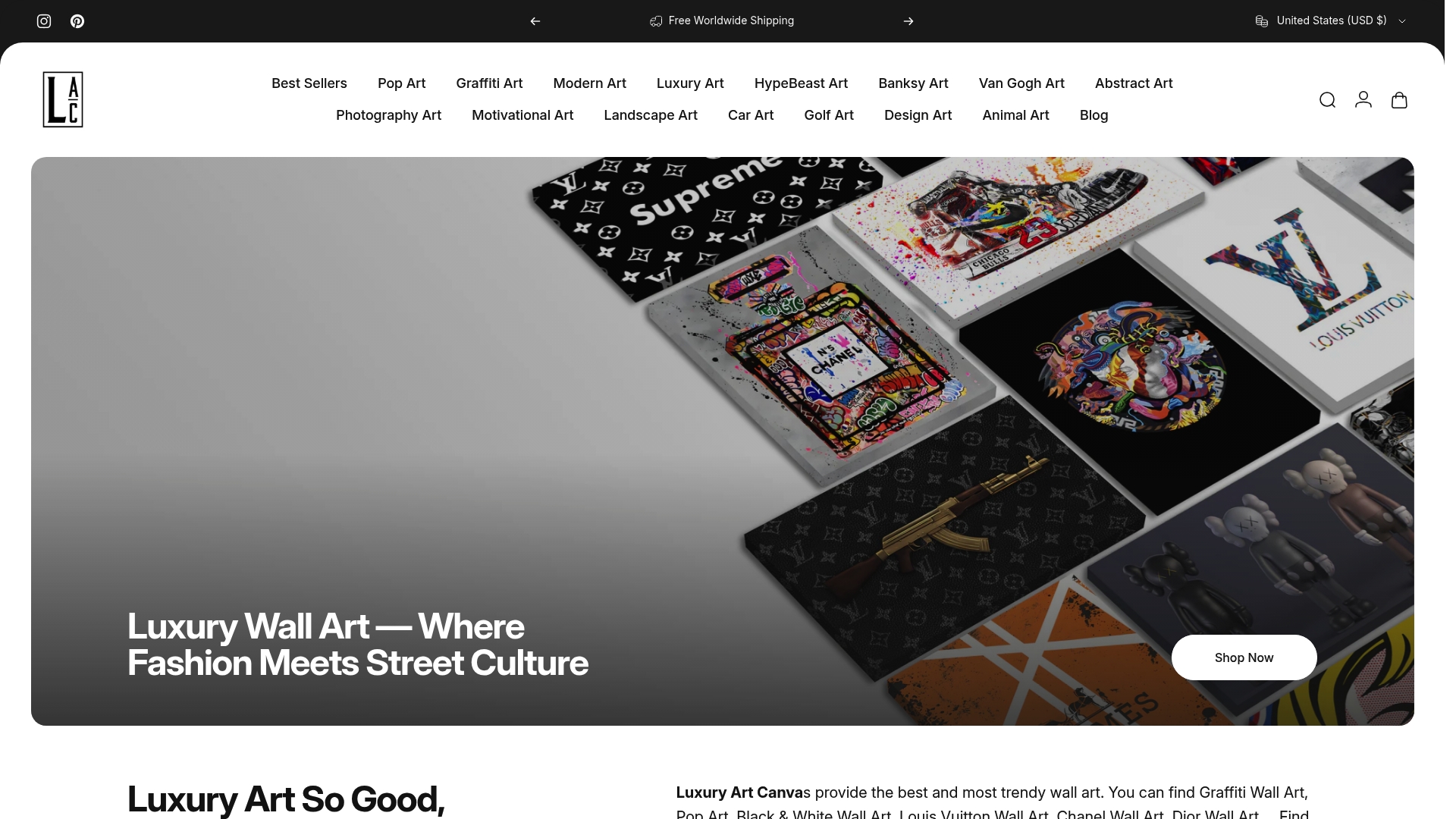
Each piece in the graffiti canvas wall art collection reflects the same layered, high-contrast aesthetic that defines great mixed media work. For large-scale impact, the large graffiti wall art range delivers bold compositions that command attention in any room. With over 1,000 designs and more than 10,000 satisfied customers, Luxuryartcanvas is the destination for art enthusiasts who want finished, gallery-quality canvases without the studio hours.
FAQ
What is the definition of mixed media art?
Mixed media art is the practice of combining two or more distinct physical mediums on a single surface. It differs from multimedia art, which includes digital, sound, or interactive elements.
Can you frame mixed media canvas art?
Mixed media canvas art can be framed, though gallery-wrapped canvases are often displayed without a frame to preserve the textured, dimensional quality of the surface.
What supplies do beginners need for mixed media canvas art?
A starter kit includes white gesso, matte gel medium, acrylic paints, charcoal, and collage papers. A basic setup costs between $50 and $150 depending on material grade.
How do you keep mixed media art from looking messy?
Repeat one or two colors across all materials to create visual echoes, and apply a thin transparent glaze over the entire surface to unify disparate elements and soften harsh edges.
What is the difference between mixed media and collage?
Collage uses paper or flat materials adhered to a surface. Mixed media is broader, combining collage with paint, drawing tools, found objects, and other physical mediums on the same canvas.
Blue and White Decor Ideas That Always Look Fresh
What Does Canvas Durability Mean in Art?